
Dry hands: what to check before you reach for hand cream
Hands get dry because the skin barrier that holds water in gets thin and lets moisture escape. Before you buy another hand cream, fix three things — why hands dry out, how you wash them, and when you apply cream — and the same cream keeps your hands soft for longer.

Hands get dry because the skin’s outer barrier that holds water in gets thin and lets moisture escape. So before you buy another hand cream, line up three things — (1) why hands dry out, (2) how you wash them, and (3) when you apply cream. Get those right and the same cream keeps your hands soft for longer.
Below, in order: why hands chap so easily, what to change when you wash them, and the best time to put cream on.
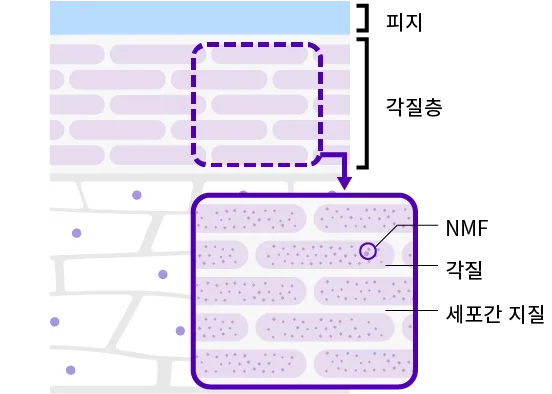
Why do hands chap so easily?
The outermost layer of skin, the stratum corneum, is built like a brick wall: cells stacked like bricks, with lipids filling the gaps between them. That layer locks moisture in and keeps outside irritants out.
There are specific reasons hands dry out faster than the rest of you:
- The palms and backs of the hands have few oil glands, so the oil film on them is thin.
- They touch water and detergent dozens of times a day, which washes the lipids away.
- When the air is dry, as in winter, moisture evaporates even faster.
When the barrier thins out, water leaves and you get tightness, flaking and cracking. In other words, dry hands are often not about “applying too little moisture” but about “not being able to hold moisture in.”
It shows up most in winter and the change of seasons, in people who wash their hands often or work with water a lot, and in older hands where oil and water have dropped. The situations differ, but the cause — a thinner barrier — is the same, so the care is the same too: strip the barrier less, and cover moisture in.
What should you change when washing your hands?
The first step to fewer dry hands is how you wash them. How you wash matters more to the barrier than how often.

Hot water and harsh cleansers wash away barrier lipids along with the dirt. Use lukewarm water rather than hot, and a mild cleanser. After washing, don’t rub with a towel — press gently to blot the water off, and the tightness eases on its own.
When is the best time to apply hand cream?
Apply hand cream right after washing, while your hands are still damp and the water hasn’t fully dried. The cream covers the moisture left on your skin and seals it in. If you wait until your hands are bone dry, the water you wanted to seal in has already evaporated.
Good moments to apply:
- Right after washing — blot the water and apply straight away.
- Before bed — a generous layer for the hours your skin spends recovering.
- Before rubber gloves or going out into the cold — seal it in ahead of time.
How much and where matters too. The backs of the hands, between the fingers and around the nail base chap especially easily, so smooth a little extra over those spots. A thin layer applied often lasts longer, and without the stickiness, than one thick coat. Keep a tube by every sink and the “apply right after washing” habit forms on its own.
Can you see dry hands as a number?
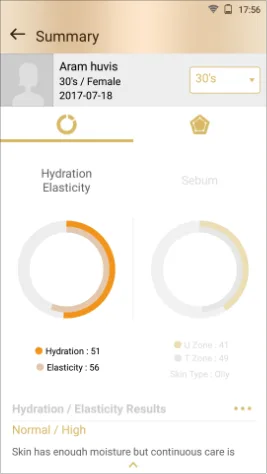
“Soft” is a feeling that differs from person to person, but skin moisture can be read as a number with a sensor. A skin analyzer measures the water held in the stratum corneum and shows it against an average as a figure you can compare.
In fact, one study measured hand-skin moisture with such a device in people who wash their hands often, such as nurses, to check how hand cream holds moisture (Perspectives in Nursing Science, 2020).
Seen as a number rather than a feeling, it is easier to compare which routine suits your own hands. A moisture reading is a record of that day’s condition, not a fixed score. Measure the same spot regularly and watch whether it went up or down, and you can see with your own eyes whether a changed habit suits your hands. In a skin or scalp care room, showing before-and-after moisture on the same screen as the client helps them see the change and keep the routine going.
Founded 2002 · in its 24th year · skin and scalp measuring devices · 34 patents · used in more than 100 countries.

Three common myths about dry hands
People who carry dry hands around for years tend to waste money in the same places. Here are three myths worth clearing up.
First, “the pricier the cream, the better it works.” Dry hands depend far more on when you apply and how you wash than on the price of any one ingredient. The same cream lasts when applied to just-washed hands, and tightens fast on fully dry ones.
Second, “tough it out until it stings and you’ll toughen up.” Tightness and stinging are signs the barrier has thinned. The longer you tough it out, the more it chaps and cracks, and the longer it takes to bounce back. Covering it as soon as the signal comes is quicker.
Third, “touch water as little as possible.” The problem is less water itself than hot water, harsh detergent and rubbing dry. Wash with lukewarm water and moisturize straight after, and you can cut dryness even while washing.
In short, caring for dry hands is about when and how before what. Before you swap out a tube of cream, try changing your water temperature and the timing of your application first.
Frequently asked questions
Q. If I reapply hand cream often, will my hands stop chapping? Reapplying helps, but if the barrier keeps washing away each time you wash, it’s a leaky bucket. Changing how you wash alongside it lasts longer.
Q. I hate the sticky feel — can I just use a light cream? Split it: a fresh, light texture by day and a richer one before bed, and you get both low stickiness and moisture.
Q. My hands are cracking and sore — is cream enough? Simple dryness is handled with moisture, but if it cracks, weeps or lingers, see a dermatologist. Cream is not a medicine.
Q. Does waterless hand sanitizer dry hands out too? As the alcohol evaporates it takes water with it, so hands can feel tight. It’s good to cover with hand cream after sanitizing as well.
Q. How many times a day should I use hand cream? Timing over count. Make “after every wash” the default and you’ll naturally apply as much as you need.
Q. Is sealing with something greasy like petroleum jelly better? It helps hold moisture in. If the stickiness gets in the way of daily life, you can split it — cream by day, a greasy texture at night.
See also
- How should a nurse choose a hand cream?
Questions about hand-skin measurement or products: see our contact page. More about ARAM HUVIS is there too.
This article contains promotional information about brands and services run by ARAM HUVIS Co., Ltd. Cosmetics are not drugs, and the feel may differ by person.
Measurements are for reference and do not replace medical diagnosis or treatment. ARAM HUVIS analyzers measure and display skin and scalp condition and do not diagnose or treat any disease. Cosmetics are not drugs intended to prevent or treat any disease.