English
Request a demo
  1. Home
  2. Evidence
  3. Skin & scalp analysis guide

Guide

Straight answers on skin and scalp analysis

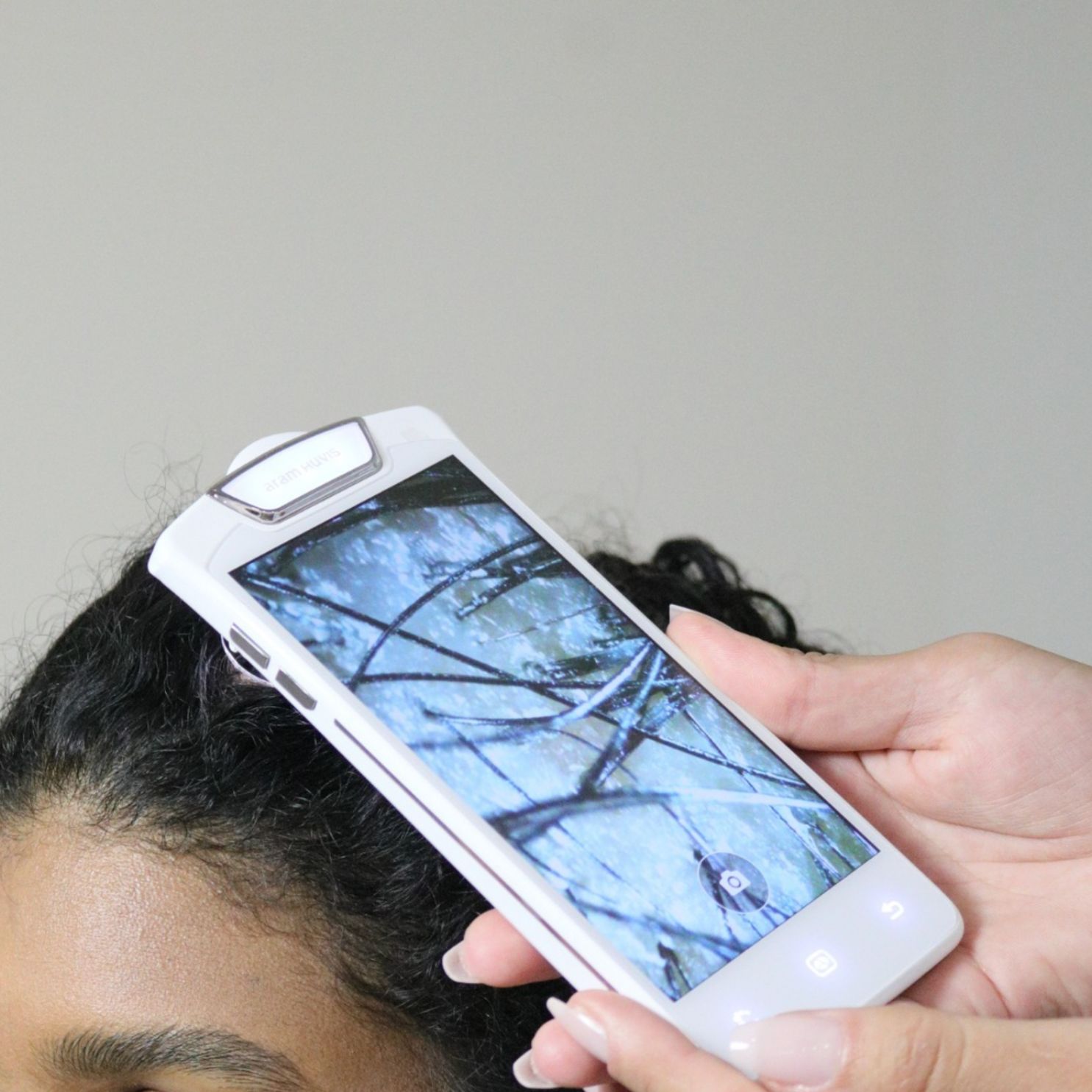
A scalp analyzer magnifies skin and scalp tens to hundreds of times and shows hair count, thickness, flakes, sebum and redness as images and numbers. Below we cover how measurement works, scalp types, custom cosmetics and how to choose an analyzer.

Skin & scalp analysis guide

What does a scalp analyzer measure?

It depends on magnification. Low magnification shows the overall skin; high magnification shows a single pore or hair. On the ARAM HUVIS ASW analyzer, each magnification measures:

  • X1 — client photo, hair loss pattern
  • X30 — moisture, oil, pores, pigmentation, sebum, wrinkles, sensitivity
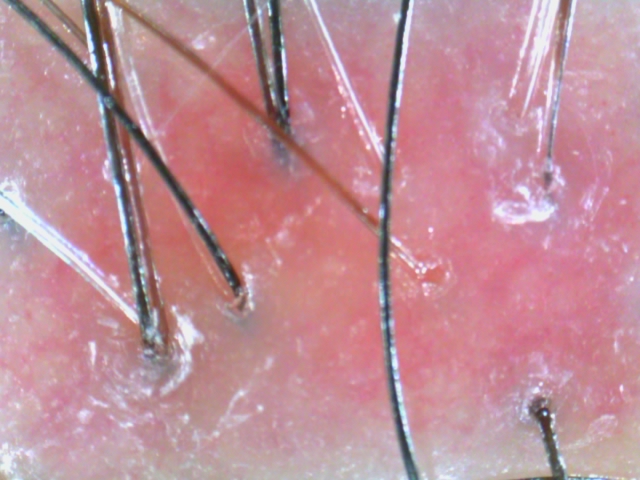
  • X60 — scalp condition, hair density, flakes, visible blood vessels, scalp sebum
  • X200 — pore condition, hair thickness
  • X500 — hair damage (cuticle condition)
What does a scalp analyzer measure?

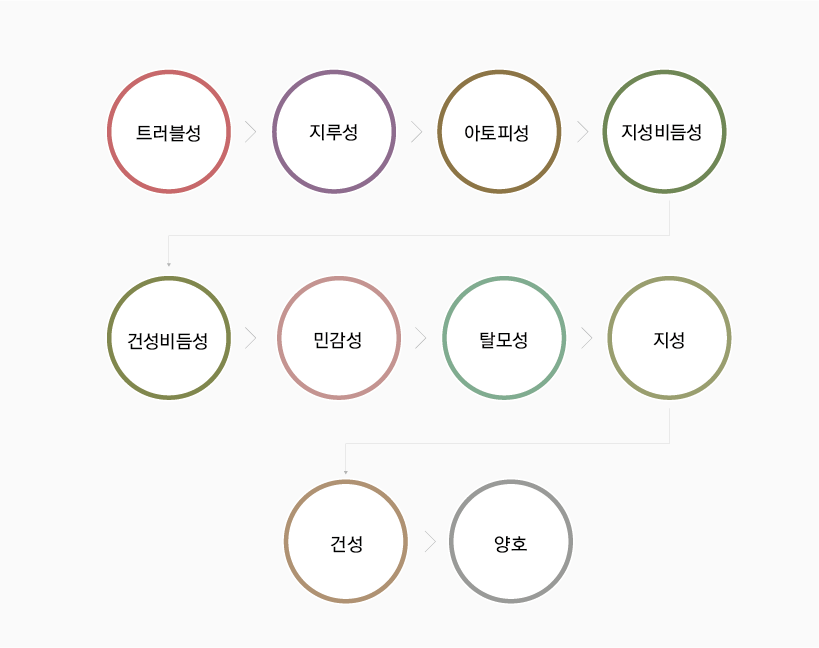
How many scalp types are there?

ARAM HUVIS AI scalp analysis (AISG) classifies the scalp into 10 types: healthy, dry, oily, sensitive, seborrheic, dry dandruff, oily dandruff, atopic, troubled and hair loss.

The type comes from the combination of main symptoms. For example, fine flakes only means dry; excess sebum with dandruff means oily dandruff; fine flakes with redness between follicles means atopic. When types overlap, the one that needs more care takes priority (e.g. troubled + atopic → troubled).

※ This is a scalp-condition classification, not a medical diagnosis. Names such as "atopic", "seborrheic" and "hair loss" describe scalp conditions, not diseases.

How many scalp types are there?

How does AI scalp analysis work?

AISG’s AI, trained on 101,027 scalp images, analyzes magnified images together with a short questionnaire, in four steps.

  • Measure: capture the scalp and hair under magnification and record the questionnaire.
  • AI analysis: identify the scalp type and 7 symptoms, and measure hair density (hairs/cm²) by area and hair thickness (mm).
  • 1:1 prescription: design the ingredient combination that fits the person.
  • Custom production: make the shampoo and serum from that formula and deliver it.

How are custom cosmetics different from regular cosmetics?

Unlike mass-produced products, custom cosmetics are made one at a time for a person after diagnosing their skin and hair. ARAM HUVIS lilai View suggests one of more than 2 million shampoo and serum formulations based on the diagnosis.

ARAM HUVIS received a regulatory sandbox exemption for making and selling cosmetics that reflect each person’s skin and hair from the manufacturing stage, and completed the demonstration in Seoul, Gyeonggi and Busan (November 2022 – October 2023).

What changes when a head spa or salon uses a scalp analyzer?

The consultation is proven on screen rather than in words. Clients see their own scalp magnified and compare it in numbers, so they trust the advice, and that trust turns into home-care purchases and return visits.

Consultations using ARAM HUVIS analyzers increased customer spending by 30%, and in 2022 our AI scalp diagnosis and custom cosmetics supply system ran as a 3-month pilot at 29 Juno Hair salons.

What is the difference between salon and clinic scalp analyzers?

The purpose differs. Salons and head spas use an analyzer to consult with the client over a magnified image and connect the result to home-care products, so instant result sharing (mirroring, email, QR) and ease of use for any staff member matter most. Dermatology and hair-loss clinics need to photograph the same spot under the same conditions repeatedly to record and compare progress, and to see hair and follicles at high magnification.

ARAM HUVIS makes the portable ASM (interchangeable lenses, X30–X500), APM Pro with dedicated X60, X200 and X500 cameras, and the AI scalp diagnosis system AISG, which is used in clinical practice at dermatology and plastic surgery clinics in the Seoul metropolitan area (E-Donga, May 2025). Measurement does not replace medical diagnosis.

How should a head spa or salon choose a scalp analyzer?

Check five things before price.

1) Repeatability: measure the same spot three times in the demo and see whether the values stay close. 2) Magnification and lighting: whether you need both scalp-overview and high magnification for hair thickness and follicles, and whether polarized or UV light is available. 3) Result report: whether clients can read it from their seat and receive it on screen or phone. 4) Client history: whether records build up per client and re-measurements can be compared side by side. 5) Service and training: repair path and staff training.

Let your own staff run the demo measurement to estimate training time.

How is the diagnostic data used for client care?

Each measurement is saved as a report, so you can compare the same area at the same magnification on the next visit. Analyzers connect to PCs and smart devices over Wi-Fi or USB, and client history is managed in dedicated apps such as Solutionist Plus.

FAQ

FAQ

What does a scalp analyzer measure?

It depends on magnification: moisture, oil, pores, sebum and wrinkles at X30; scalp condition, hair density and flakes at X60; pores and hair thickness at X200; and hair damage at X500.

How many scalp types are there?

ARAM HUVIS AISG classifies 10 types: healthy, dry, oily, sensitive, seborrheic, dry dandruff, oily dandruff, atopic, troubled and hair loss.

How much data is the AI scalp analysis trained on?

AISG is trained on 101,027 scalp images and was developed with Seoul National University Bundang Hospital.

How are custom cosmetics made?

The ingredient combination is designed from the skin and scalp diagnosis, and the product is made one at a time. lilai View suggests one of more than 2 million formulations.

Does a scalp analyzer help sales?

When clients see their scalp on screen, they trust the advice, which leads to product purchases and return visits. Consultations using ARAM HUVIS analyzers increased customer spending by 30%.

Request a demo