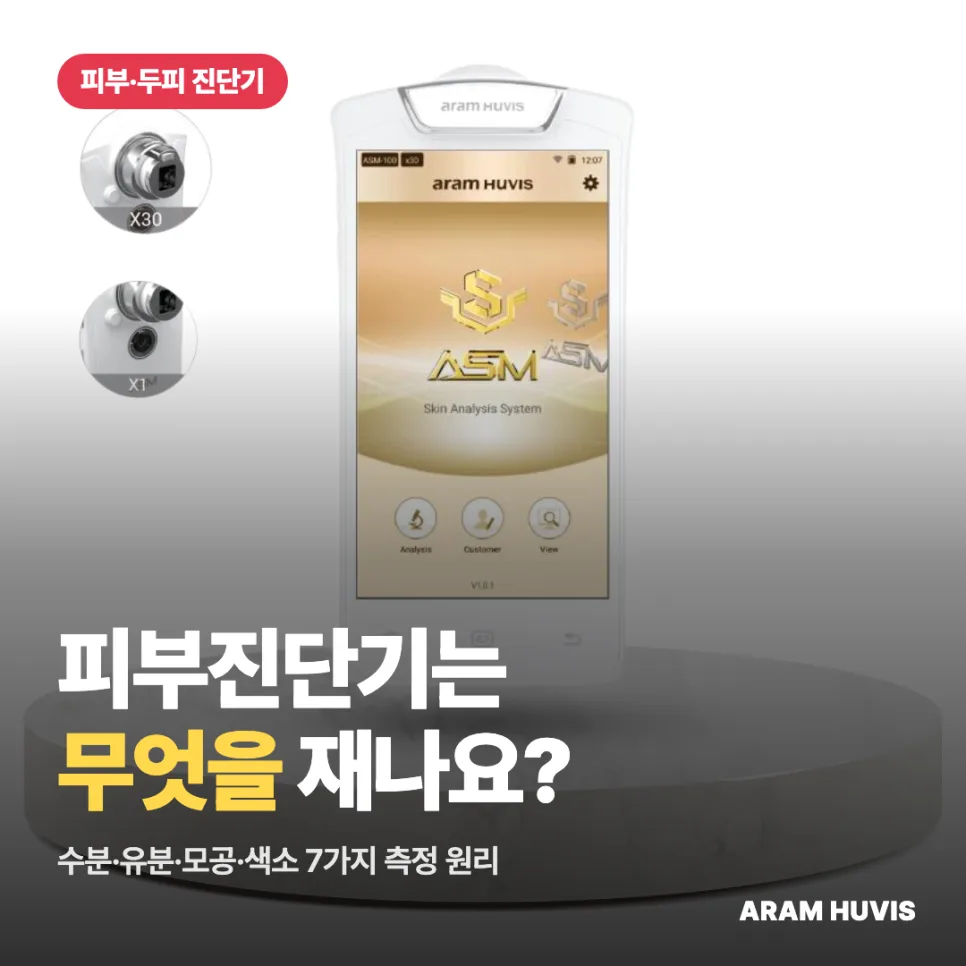
What should I look for when choosing a scalp analyzer for a hair salon or head spa?
Beyond magnification, check four things before buying a scalp analyzer for a salon or head spa: when you can measure, whether you can re-shoot the same spot, what the screen text says, and where client photos are stored.
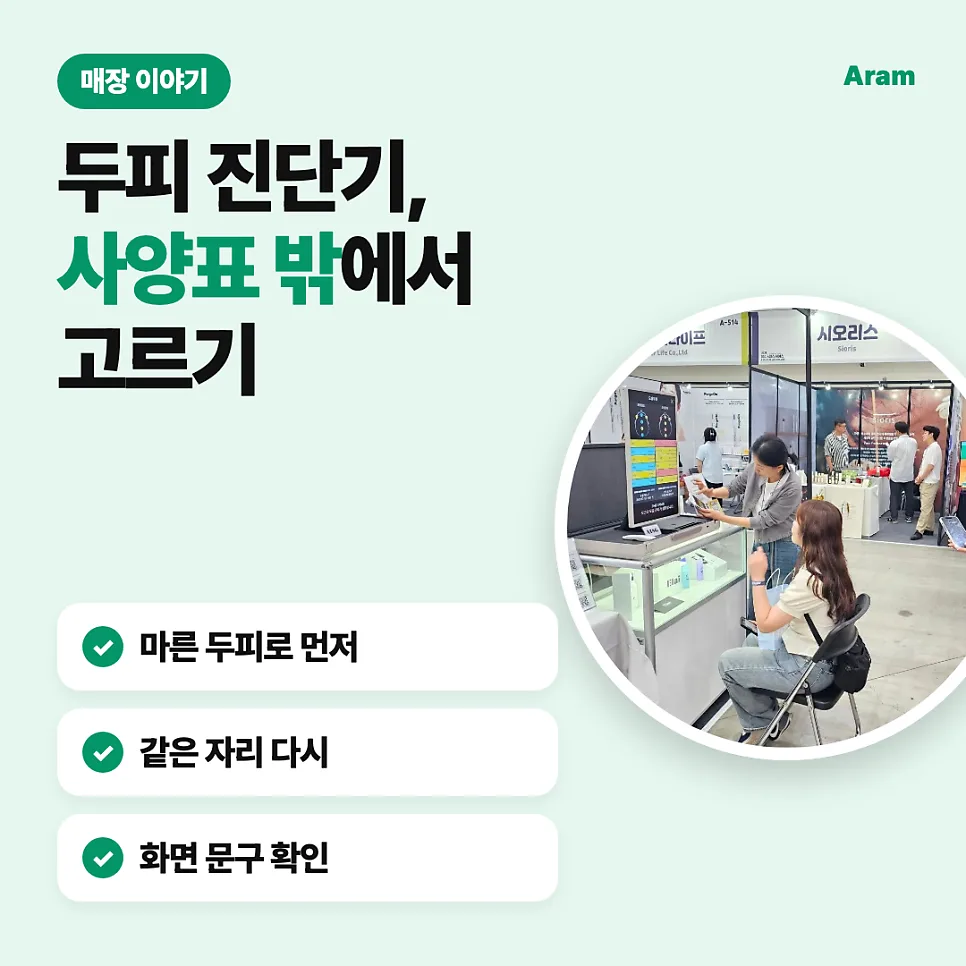
Buyers usually ask about magnification first. For a head spa or hair salon, four things outside the spec sheet matter more at purchase time.
Short answer
- When you measure: you can scan a dry scalp at the start of the service, right in the consultation chair.
- Same spot, next visit: you can pull up last visit’s photo and compare it with a new one from the same location.
- Screen wording: the on-screen result text is something your staff can say out loud without sounding like a diagnosis.
- Photo storage: you know where client photos are kept, how consent is recorded, and whether you can lock an account when a staff member leaves.
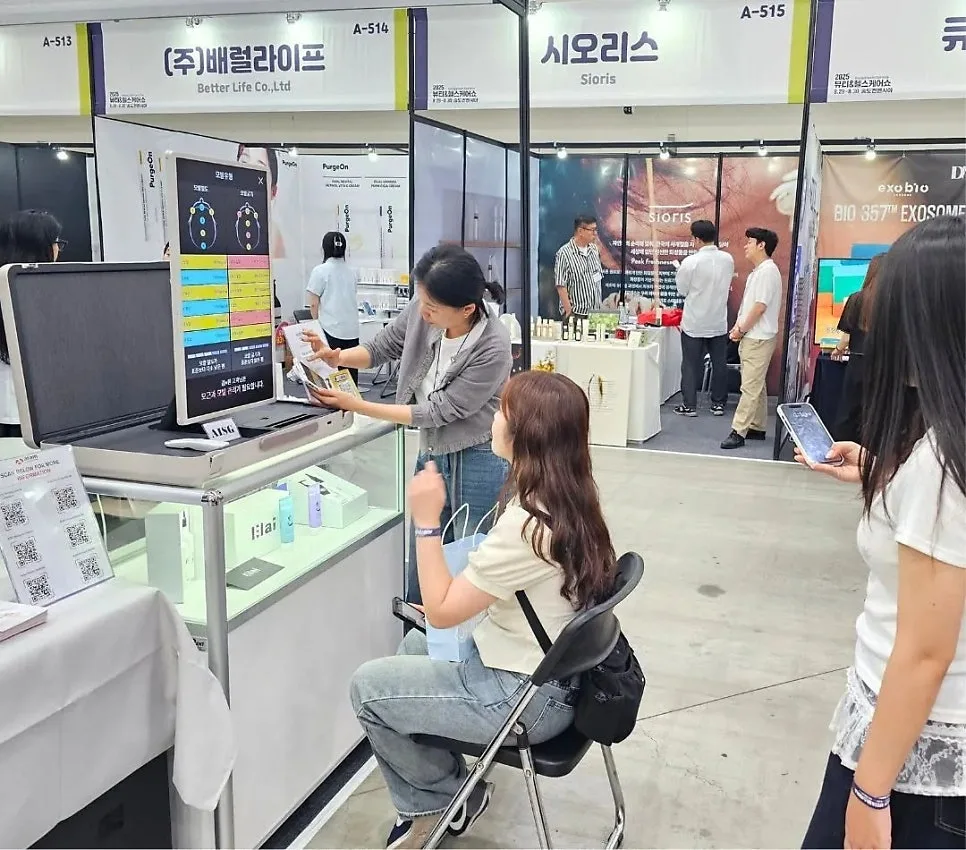
At trade-show booths, I measure visitors’ scalps on the spot and talk through the screen together. Those few minutes after the scan, with the client looking at the screen, are the point of the device.
Magnification and lighting are already covered by plenty of vendor comparison charts. This guide covers what a salon owner should check before bringing one in.
When in a head spa service should you measure?
Measure before shampooing, while the scalp is dry. Washing removes oil, and leftover moisture reflects light and makes photos look shiny.
So check whether you can scan in the consultation chair at the very start of the service and whether setup is quick. That is the baseline.
One common mistake: scanning again right after the service and showing “see, it’s clean now.” Clients like it, but it is not a fair comparison.
A freshly washed scalp shows less oil for anyone. Compare at the start of the next visit, under the same conditions. Clients trust results more when the conditions match.
Can you re-shoot the same spot at the next visit?
If you do not record whether a photo was taken at the crown or beside the part, you cannot compare it with the next one. A different spot can look like a different scalp.
In our own measurement room, we have photographed each visitor at four points every visit: the crown, the left and right sides, and the back of the head.
Flipping through records that run for months, I find that fixing the photo locations is more useful than a bigger lens number.
During the demo, pull up a past photo by client name and check that you can display same-spot photos side by side.
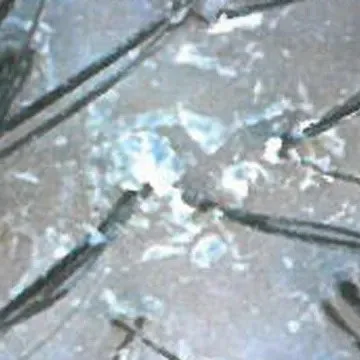
Is the wording on the screen safe to use in your salon?
The device is called a scalp analyzer, but what a salon does with it is measurement. Salons and head spas are not clinics, so wording that names a disease should be avoided.
Some devices, however, show disease names or stage ratings directly on the result screen. The problem comes next.
If your staff read that text aloud, the salon has effectively issued a judgment. So during the demo, read every line on the screen out loud.
Check whether each line describes a condition (“visible flaking,” “on the oily side”) rather than a verdict.
It also helps to agree in advance on what staff will say to a client with lasting redness, oozing, or pain: see a dermatologist first.
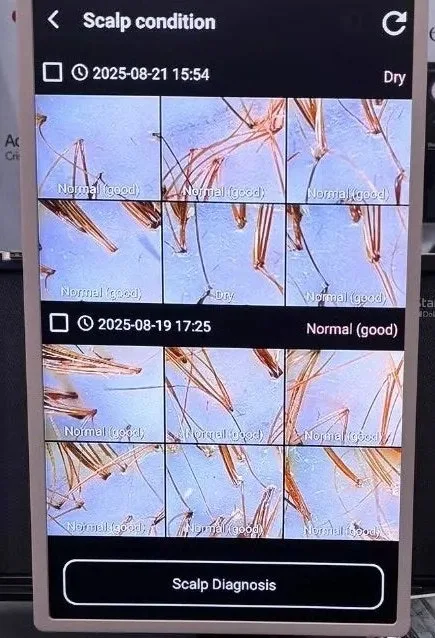
Where are clients’ scalp photos stored?
Scalp photos linked to a name or phone number become personal data. Your consultation flow should include a consent step before anything is saved.
Questions to ask at the demo: do photos stay on the tablet, or upload to cloud storage? Can you disable an account when a staff member leaves?
When we compile and publish measurement records at the company, we remove names and contact details first and keep the originals separately.
Decide who can view the records. That alone makes it much easier to explain to clients. Bring this table to the demo.
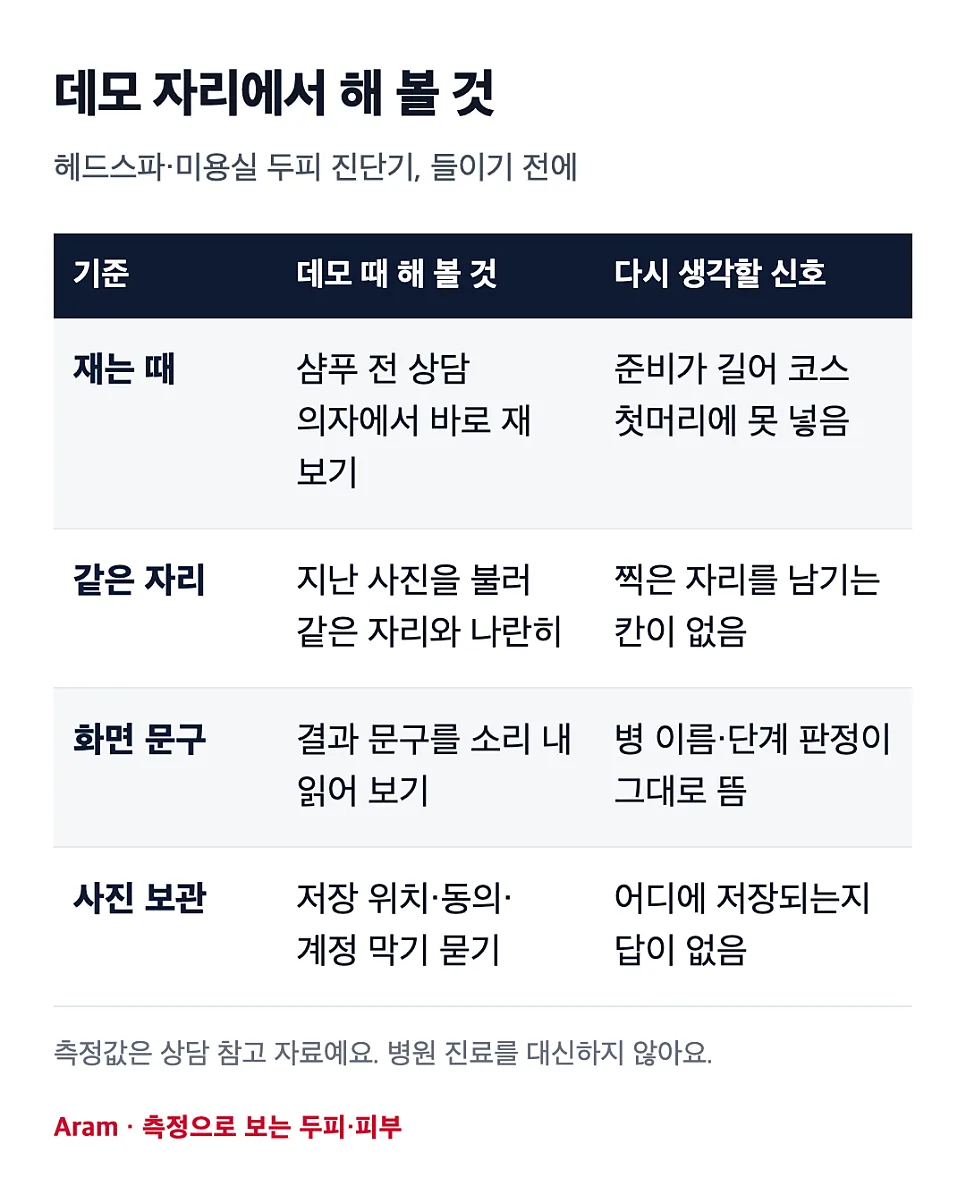
| Criterion | What to try at the demo | Signal to reconsider |
|---|---|---|
| When you measure | Scan right in the consultation chair, before shampoo | Setup is long and does not fit the start of the service |
| Same spot | Pull up a past photo and view it next to a same-spot photo | No field for recording the photo location |
| Screen wording | Read the result text aloud | Disease names or stage ratings appear as-is |
| Photo storage | Ask about storage location, consent, and account lockout | No clear answer on where photos are stored |
Measurements are a consultation reference and do not replace medical care.
FAQ
Q. Should I ignore magnification when choosing a scalp analyzer?
No. But the number matters less than whether there is a lower magnification for the wider scalp surface and a separate one for a single hair strand.
Q. Can any staff member use it?
At the demo, have a staff member, not the owner, hold the device and measure. If two people scan the same client and the photos look similar, you can relax.
Q. Can I use measurements to decide a care menu?
Yes, as a reference for explaining the condition and choosing the order of care. Always say alongside it that measurement does not replace a medical visit.
Add a “photo location” column to your consultation sheet. You can start preparing for comparison even before the device arrives.
For how a head spa differs from scalp scaling, see Head spa vs. scalp scaling: where do measurements show the difference?
About ARAM HUVIS
ARAM HUVIS has built skin and scalp measurement devices since 2002. If you are choosing a scalp analyzer for a salon or head spa, you can contact us.
Measurements are for reference and do not replace medical diagnosis or treatment. ARAM HUVIS analyzers measure and display skin and scalp condition and do not diagnose or treat any disease.