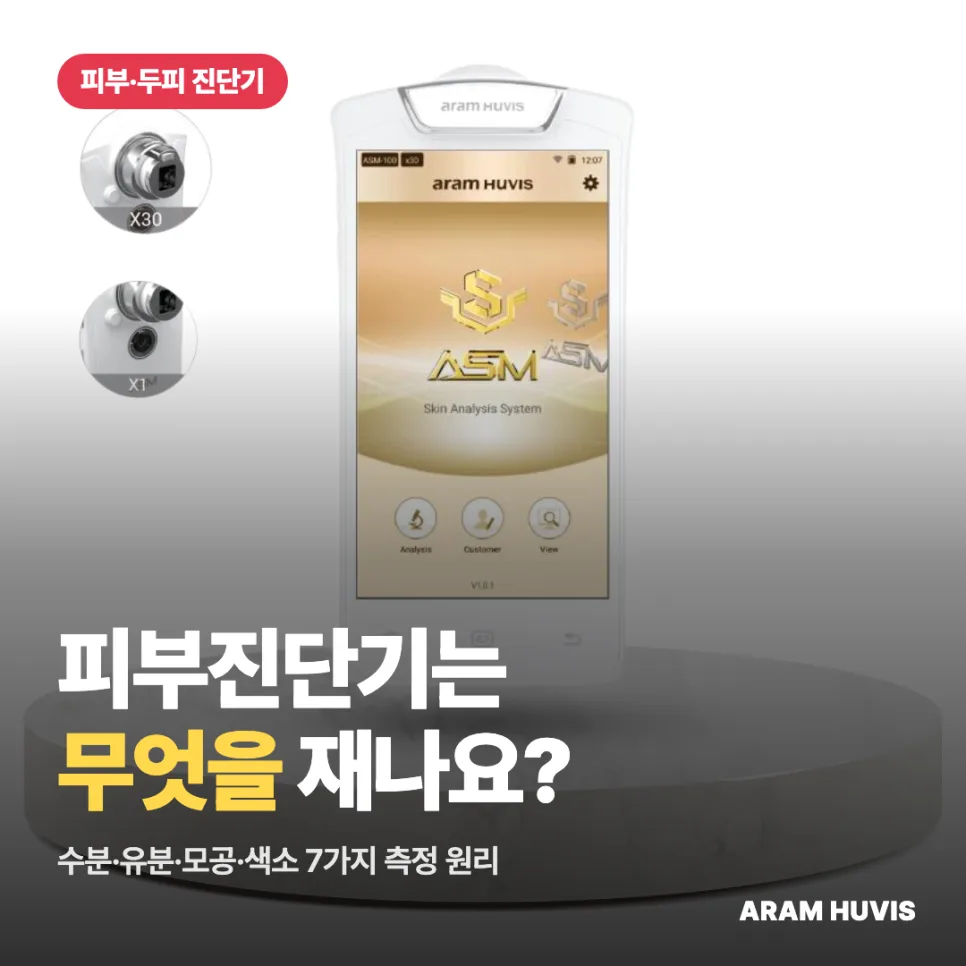
How Do You Choose a Skin Analyzer for an Aesthetic Salon and Present the Results?
Choose a salon skin analyzer by its measured items, result screen, history storage and ease of explanation. Present results as the current value, the distance from a reference and the change since last time, and let a 4 to 8 week re-measurement become the revisit cycle.

You finish a careful treatment, hand the client the mirror, and hear “Hmm, I can’t really tell.” Your heart sinks. That is why many salon owners start looking at a skin analyzer.
Yet even with a device, most clients do not understand a screen that shows only numbers. A display that says “moisture 32” does not tell them whether that is high or low.
We make skin measurement devices, so we try not to list only the advantages. In short, an analyzer is a tool that turns impressions into records. It works only when you also explain how to read it.
Short answer
- Start with measured items that match the treatments your salon actually offers.
- Present results as the current value, the distance from a reference, and the change since last time.
- A 4 to 8 week re-measurement appointment becomes the revisit cycle.
What Changes When a Salon Adds a Skin Analyzer?
Change becomes visible. A client accepts their own condition more readily when you show a moisture value next to a magnified photo than when you only say the skin is dry.

Measure before and after a treatment on the same basis, and “it feels a bit better” becomes a change you can confirm in numbers. Trust and revisits come from this.
Keep values at every visit and a history builds up for each client. The next consultation gets that much more specific.
What Does a Skin Analyzer Measure?
It varies by device, but typical items include moisture, oil, barrier, pigment and elasticity. Magnified images of the skin come with them.

Numbers let you compare condition, and magnified images let the client see it directly. You need both for a consultation to have evidence behind it.
What Are the Criteria for Choosing a Salon Skin Analyzer?
What the device measures is the first criterion. It needs items that connect to the treatments your salon actually performs, so measurement leads into consultation.

| Criterion | Why it matters | Question to ask |
|---|---|---|
| 1. Measured items | If they do not fit your treatment menu, you will not use them | Does it measure moisture, oil, barrier, pigment or elasticity? |
| 2. Result screen | Clients cannot follow a screen of numbers alone | Does it show the current value, a reference and the change since last time together? |
| 3. History storage | It is the basis for before-and-after comparison and the next consultation | Can it save values per client and recall them? |
| 4. Ease of explanation | If each staff member explains differently, trust erodes | Can any staff member read the screen and explain it? |
Salons that fit
- Salons that often hear that clients cannot feel the effect of treatments
- Salons where explanations change when the staff member changes
- Salons that hesitate because suggesting the next booking might sound like a sales pitch
What Is the Order for Measuring and Explaining Results?
Show three things together: today’s value, how far it is from a reference, and what changed compared with last time.

- Current value: Show today’s measured number first.
- Distance from a reference: Add whether it is above or below the average.
- Change since last time: This is the part clients respond to most.
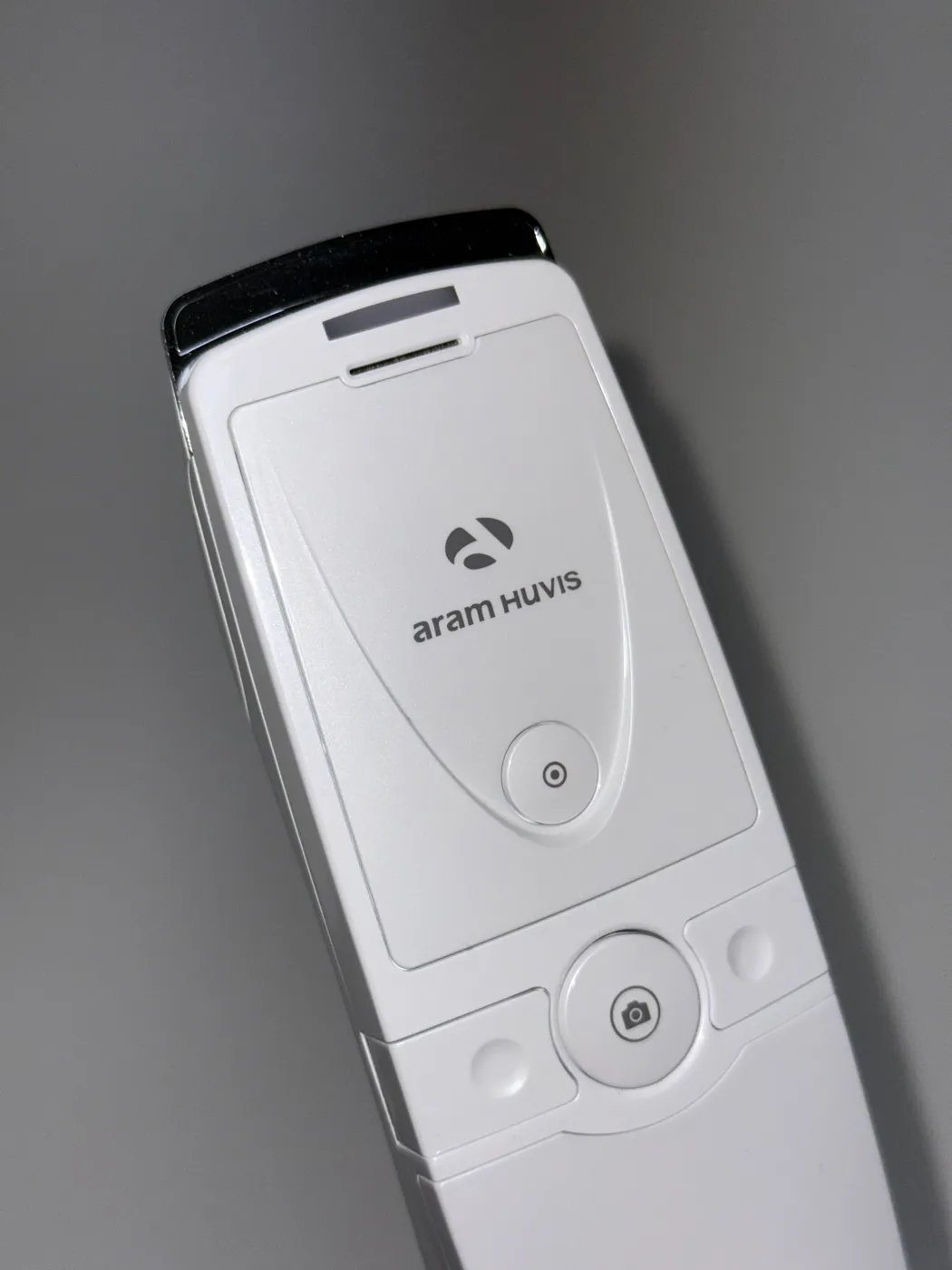
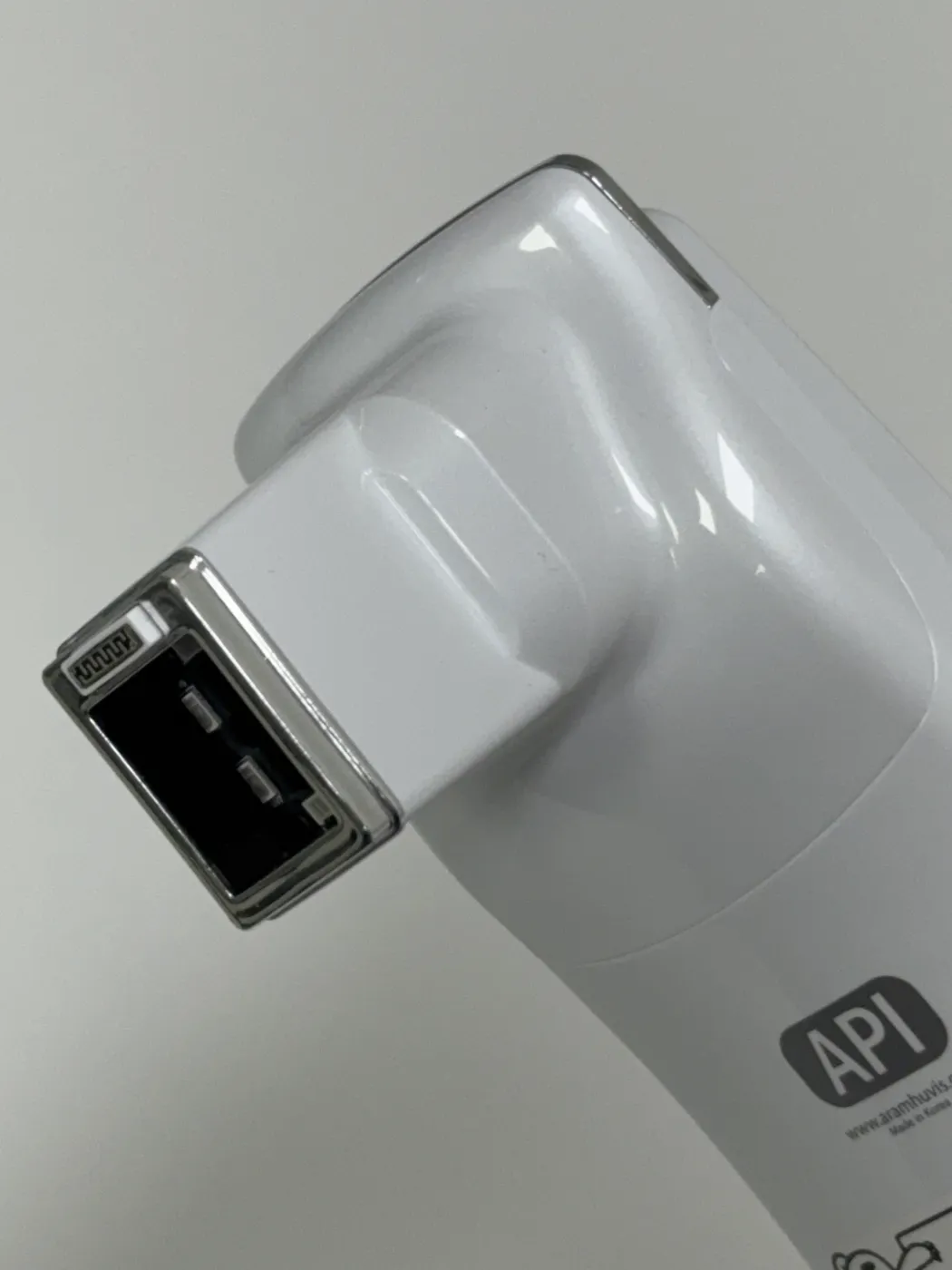
Clients continue treatment when they can see improvement. A magnified image carries more weight than numbers, but we do not deliberately enlarge scenes that are uncomfortable to look at.
How Does Talking With Measured Values Differ From Talking by Feel?
The nature of what you say changes. In the same situation, a remark made by feel is an opinion, and a remark made with measured values is a fact.

| Situation | Talking by feel | Talking with measured values |
|---|---|---|
| Telling a client their skin is dry | Sounds like an opinion and is brushed off | Show it next to last month’s value |
| Confirming treatment results | “It seems better” | Confirm the value that went up together |
| Suggesting the next visit | Easily sounds like a sales pitch | It becomes a promise to measure again in 4 to 8 weeks |
| When the staff member changes | Each person explains differently | Same device, same reference |
Once re-measurement after 4 to 8 weeks feels natural, that interval becomes the revisit cycle. Complaints like “you told me something different last time” also drop.
What Should You Prepare Before Adopting an Analyzer?
Device prices vary by configuration, so this guide lists no figures. Instead, here are three preparations that turn the cost into an asset for the salon.
- People: More than the device, the key is the ability to translate numbers into the client’s language. Plan staff training together.
- Flow: Decide in advance where measurement fits into the consultation and when to take before and after measurements.
- Records: Save values at every visit and build them into a history for each client.
A skin analyzer earns its cost not at the moment you install it but from the moment it blends into your consultations. For device inquiries, see the price guide.
How Do You Avoid Overclaiming, and What Are the Limits of Measurement?
Be wary of definitive numbers such as “years younger in a few days.” Even if it closes the sale that day, an inflated explanation erodes trust and keeps clients from returning.
A skin analyzer is a tool that shows current condition as numbers and images. It does not replace a medical diagnosis or a hospital visit. If inflammation is severe or redness lasts, recommend seeing a doctor first.
FAQ
Q. Will clients be upset if the values come out poor?
That is why we show not only the current value but also the distance from a reference and the change since last time, without exaggerating the problem.
Q. Isn’t it better to describe before-and-after change as big as possible?
Being honest holds up longer.
Q. How often should we re-measure?
If you set an appointment to measure again after 4 to 8 weeks, that interval becomes the treatment cycle.
Q. How much does a skin analyzer cost?
It depends on configuration. Contact us and we will guide you according to your salon’s treatment menu.

Summary
- A salon skin analyzer turns impressions into records and gives consultations evidence
- Choose by measured items, result screen, history storage and ease of explanation
- Present current value, distance from a reference and change since last time together
- A 4 to 8 week re-measurement appointment becomes the revisit cycle; avoid exaggerated numbers
Measurements are for reference and do not replace medical diagnosis or treatment.
Further reading
- Skin Analyzer Price: Why Quotes Differ, a Payback Framework and a 7-Point Demo Checklist
- How to Read Magnified Skin Photos: Pores, Flaking, Pigment and Redness
About ARAM HUVIS
ARAM HUVIS (아람휴비스) has made skin and scalp measurement devices since 2002. For device adoption or demo inquiries, see contact.
ARAM HUVIS analyzers measure and display skin and scalp condition. They do not diagnose or treat any disease. Cosmetics are not drugs for preventing or treating disease.