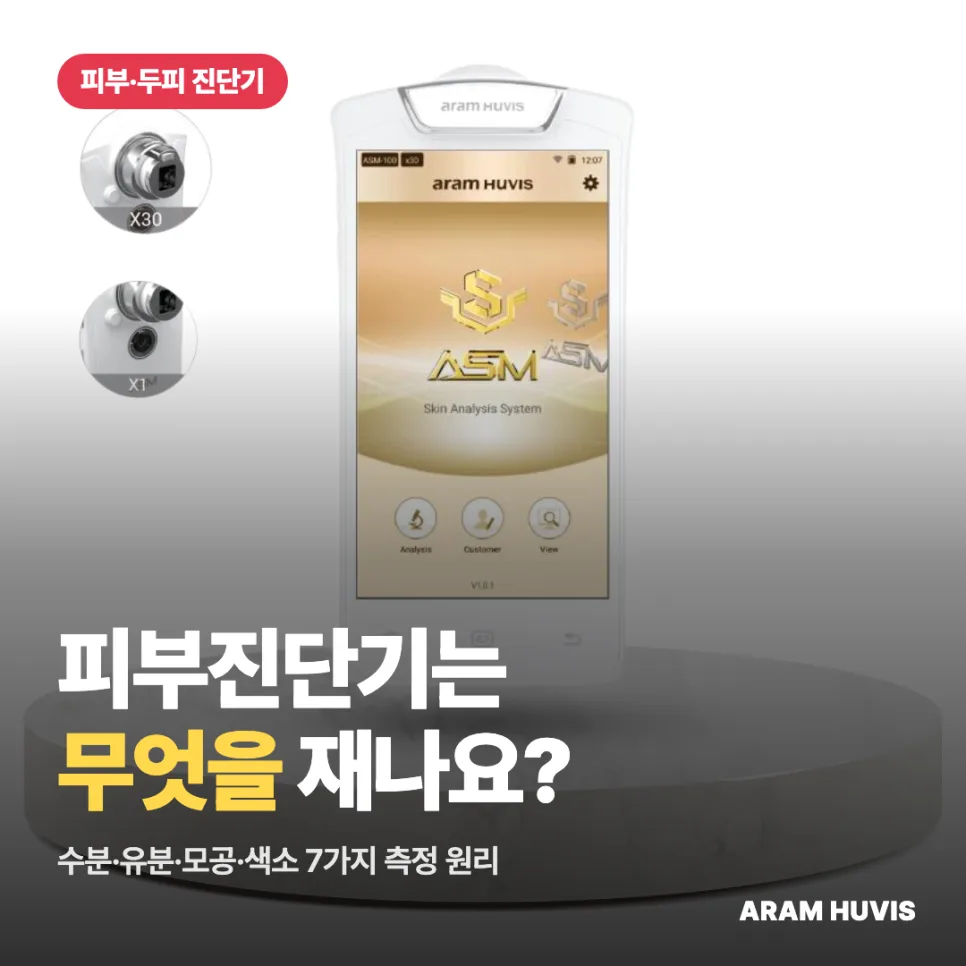
How Do You Track Hair Thickness at the Crown? Same Spot, Same Light, Same Interval
To track hair thickness at the crown, photograph the same reference point under the same light, distance, and hair state, once a month, and compare once every three months. When you need numbers, get a magnified measurement at the same spot and paste it into your record sheet.

If you look at your crown with two mirrors, some days the part looks wide and some days it looks fine. If you want to track hair thickness properly, the faster route is not a machine but a habit: record the crown under the same conditions every time.
Short answer
- Hair thickness differs from one scalp area to another, so always photograph the crown from the same reference point.
- Fix the light, distance, and hair state. Take photos once a month and compare once every three months.
- If you want numbers, get hair thickness measured at the same spot at a salon or clinic and paste it into your record sheet.
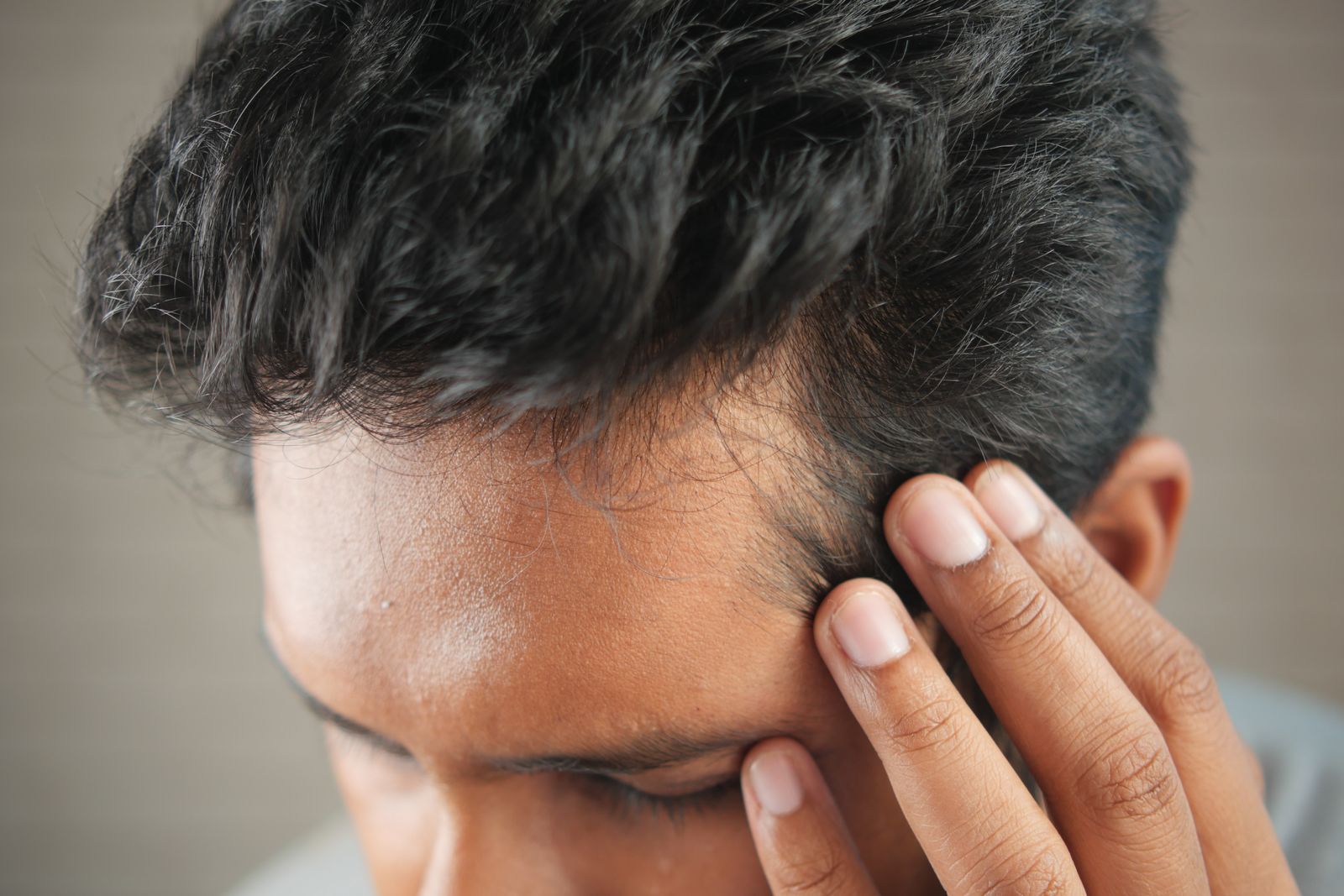
Why does crown hair thickness differ from area to area?
Hair thickness is not the same across the whole head. The crown, back of the head, and frontal area come out differently, so if the measured spot changes, the number changes too.
Hair density and thickness differed clearly by scalp site, and thickness tended to increase until the 20s, stay similar until the 50s, and then decrease. — European Journal of Dermatology, 2013
This study photographed six scalp sites in 1,357 Koreans in their teens through 60s. The abstract gives no per-site averages, so only the conclusion that it differs by site is quoted.
For a sense of scale, a 2024 Korean study measured crown hair in 53 men who had visited a hospital with hair-loss concerns and whose crown was classified as unaffected. It averaged 0.07 mm (51 to 98 µm).
That study looked only at men, so it is hard to use as your own baseline. In practice, compare against your own previous crown value and not someone else’s average.
Where should you take the crown photo?
For the crown photo, choose one reference point and always center that point on the screen. If the reference point wanders, the same head looks like a different head.
The 2024 study above set its crown reference as the point where the midline of the head meets the line joining the tips of the small bumps in front of both ears (the tragus). It also fixed posture with a head rest during shooting.
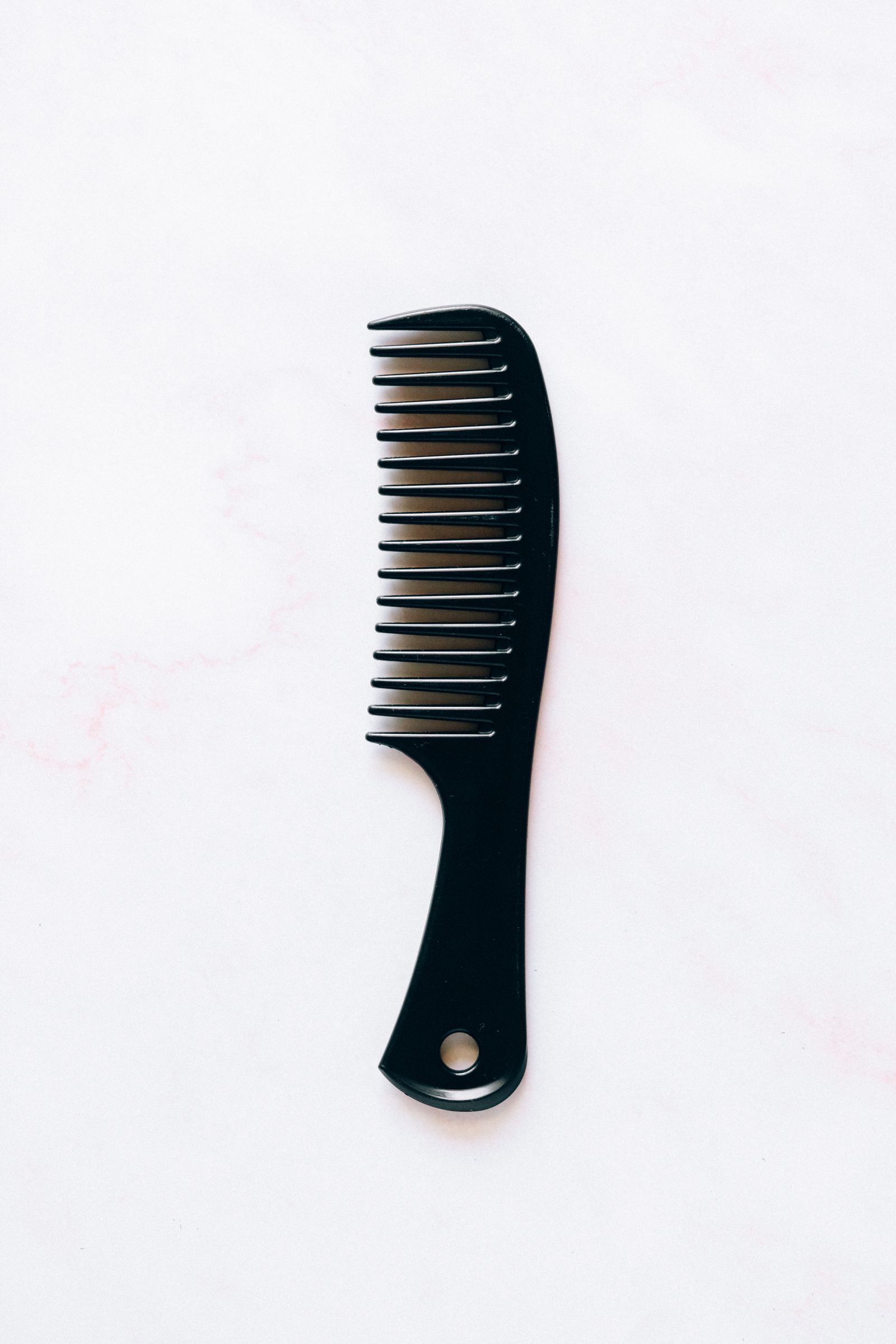
At home you can follow it like this. With a comb, make a center part running up from the bridge of the nose. Then run a finger up over the head from in front of each ear and find where they meet.
Photograph one spot low on the back of the head on the same day. Comparing frontal and back-of-head thickness was also used in a study of female scalp magnification imaging (International Journal of Trichology, 2009). It gives you one comparison baseline within your own head.
How do you fix light and distance?
Even for the same crown, the scalp shows through differently when lighting changes. Match light, distance, and hair state to day one so photos can be compared with each other.
Fix the light with the same room, same time of day, and same lighting. Window light changes with the weather, so I recommend an indoor ceiling light you can switch on the same way every time. Keep the flash either on or off, but the same every time.
For distance, hold the phone about a hand’s width above the crown, parallel to the floor, at 1x with no zoom.
Hair state is also a condition. Shoot after washing and fully drying, with no wax or volume spray. Wet hair clumps and looks different from dry hair.

| Condition | Fix it like this | Avoid |
|---|---|---|
| Spot | Center part + the point where the line joining the front of both ears meets it, plus one spot low on the back of the head | A different part each day |
| Light | Same room, same time of day, same ceiling light; flash set one way | Window light only, mixed lighting |
| Distance and angle | About a hand’s width above the crown, parallel to the floor, 1x with no zoom | Selfie angle, zoom |
| Hair state | Washed and fully dry, no styling products | Wet hair, wax or volume spray |
| Who shoots | Same person, same phone | A different device each time |
The spot standard is a version of the crown reference in the hair thickness study (JAAD International, 2024), simplified for home use. Write the conditions you fix on day one at the top of your record sheet.
How do you build a hair thickness record sheet?
A record sheet needs four columns: date, conditions, photo, and numbers. If photos only pile up, you forget the conditions of each day.

| Date | Condition check | Photo | Measured value (only on days you have one) | Memo |
|---|---|---|---|---|
| Session 1 | Spot, light, distance, hair state ☐ | Crown ☐ Back of head ☐ | Place and spot measured; thickness / density | Dye, perm, shampoo change |
| Session 2 | Spot, light, distance, hair state ☐ | Crown ☐ Back of head ☐ | ||
| Session 3 | Spot, light, distance, hair state ☐ | Crown ☐ Back of head ☐ | ||
| Three-month comparison | Place session 1, 2, and 3 crown photos side by side, and compare measured values only from the same place and same spot |
Photos once a month, comparison once every three months. The record is not a medical diagnosis. If bald spots suddenly appear or you lose a lot of hair, see a dermatologist first.
Phone photos are for keeping the width of the part and how much scalp shows through. It is hard to measure the thickness of a single hair in mm. Fill in the number column only on days you had hair thickness measured at a salon or clinic.

In the memo column, write what changed, such as the day of a dye or perm or a shampoo change. It becomes a clue when a number moves.
How often should you re-measure?
Photos once a month, comparison once every three months is about right. If you shoot weekly, differences in conditions tend to look bigger than changes in the hair.
Hair grows a little over 0.35 mm a day (StatPearls, 2023). That is about 1 cm a month, so it is hard for the crown to change noticeably within a week. In the 2013 study above, thickness also did not change much with age.

So I recommend fixing a day, such as the first weekend of each month, and marking it on a calendar. The trend only shows when you place three monthly photos side by side.
If any of the signs below appear, however, see a dermatologist first instead of continuing to record.
- Hair loss is increasing and hair feels thinner
- Round or band-shaped bald patches appear within a day or two
- Hair comes out in clumps when combing
- The affected area is very itchy or burning, and hurts when pressed
What should you check when you get hair thickness measured at a salon?
If you get a magnified measurement at a salon or clinic, first check which spot was measured on the report. Asking them to measure the same spot at your next visit continues the number column on your record sheet.
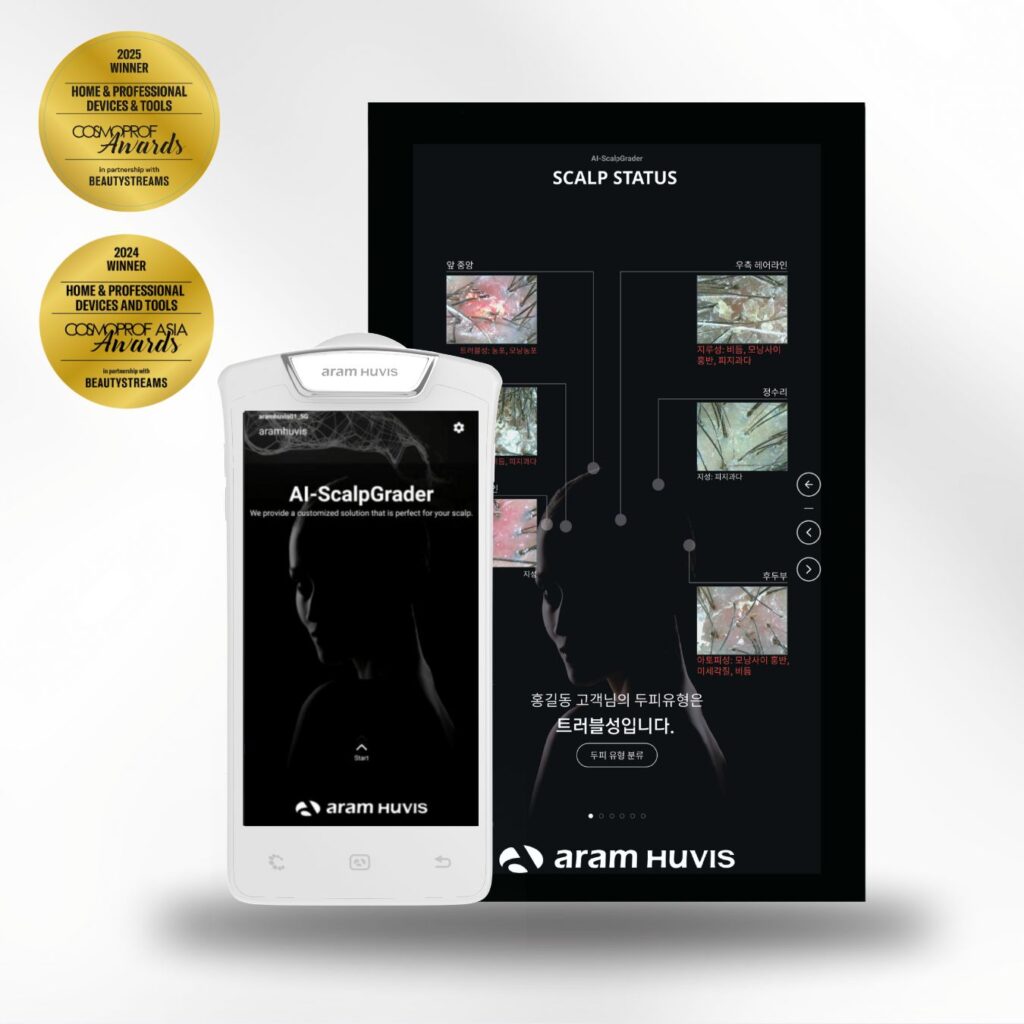
Our scalp analyzer AI-ScalpGrader evaluates scalp type and hair density and thickness together using magnified photos and a questionnaire, and shows results divided by spot such as crown, back of the head, and frontal hairline.
Our hair and scalp analyzer ASW 200 views density through a 60x lens and thickness through a 200x lens. Density measurement counts hairs in a 4 mm by 5 mm field and converts to a 1 cm2 basis. The smaller the field, the more it matters to measure the same spot.
If you want to follow crown hair thickness in numbers, ask a salon, scalp clinic, or dermatology clinic that uses a magnifying analyzer to measure the same spot again.
About ARAM HUVIS
Since 2002, ARAM HUVIS (아람휴비스) has built skin and scalp analyzers, including the AI-ScalpGrader and ASW 200. See the AI-ScalpGrader page for measurement items, or contact us to discuss adoption for your salon or clinic.
Hair thickness measurement FAQ
Q. Can I measure hair thickness with a phone photo?
It is hard to measure a single hair’s thickness in mm. Use the phone to keep the width of the part and scalp show-through under the same conditions, and get numbers from a magnified measurement.
Q. Is it enough to photograph only the crown?
I recommend also keeping one spot on the back of the head, taken on the same day under the same conditions. It gives you one more comparison baseline.
Q. If different salons give different numbers, which one is right?
If the device, magnification, or measured spot differs, the numbers can differ too. Compare hair thickness measurements only from the same place and the same spot.
Summary
- Crown hair thickness differs by area, so photos and measurements always use the same reference point.
- Match light, distance, and hair state to day one, and shoot once a month.
- The record sheet holds date, conditions, photo, and numbers, and comparison is done every three months.
- If bald spots suddenly appear or you lose a lot of hair, see a dermatologist before continuing to record.
Measurements are for reference and do not replace medical diagnosis or treatment.
Related reading
References
- Kim JE et al., Phototrichogram analysis of normal scalp hair characteristics with aging, European Journal of Dermatology, 2013 — PubMed
- Park HU et al., Quantitative measurement of hair diameter diversity in Korean males, JAAD International, 2024 — PMC
- Rakowska A et al., Dermoscopy in female androgenic alopecia, International Journal of Trichology, 2009 — PMC
- Murphrey MB et al., Anatomy, Hair, StatPearls, 2023 — NCBI Bookshelf
- American Academy of Dermatology (AAD), Hair loss: Signs and symptoms — aad.org
- ARAM HUVIS, AI-ScalpGrader and ASW product information and FAQ — aramhuvis.com
ARAM HUVIS analyzers measure and display skin and scalp conditions. They do not diagnose or treat any disease. Cosmetics are not drugs for the prevention or treatment of disease.