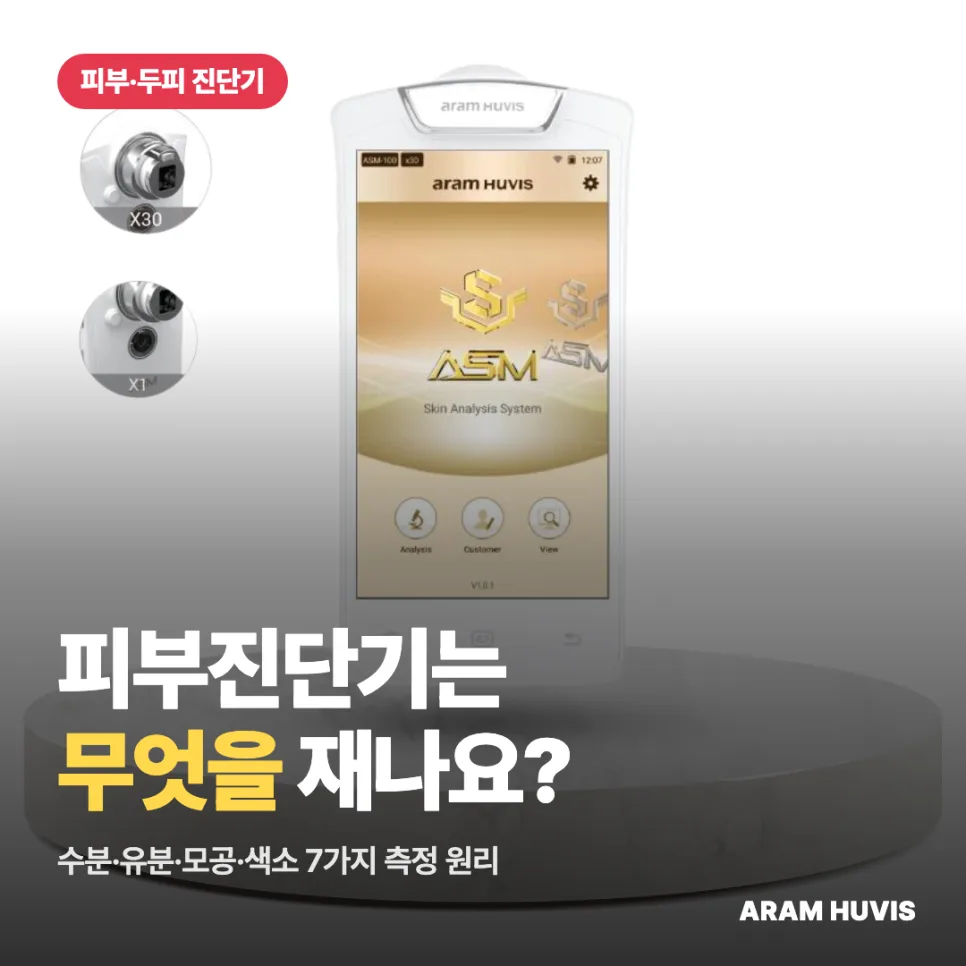
How do you check measurement accuracy when choosing a scalp analyzer?
Check scalp analyzer accuracy by measuring the same spot three times and having a second staff member repeat it. Usability matters as much as specs.

How do you verify a vendor who says “our scalp analyzer is accurate”? Measure the same thing twice and see if you get the same value. Every vendor says accurate, and numbers for pores and oil on screen look convincing, but some devices return different values when you measure the same person twice. This guide comes from a company that has built scalp and hair measurement devices since 2002. The criteria apply to any brand.
Short answer
- Accuracy means repeatability: same scalp, similar value.
- At the demo, measure the same spot three times and have another staff member measure the same customer.
- Salons need a clear display for explaining; clinics need records and before/after comparison.

How do you check the claim “it is accurate”?
Two things must hold. Repeatability: measuring the same scalp again should give similar values. Consistency: values should not swing much when a different person measures. Without both, the number is just that day’s number at that angle.
What should you try at a demo?
Three checks reveal most accuracy problems.
- Measure the same spot three times in a row. Erratic values mean low repeatability, and you will explain differently to each customer.
- Have another staff member measure the same customer. If values differ a lot, the device depends on operator skill.
- Ask which items are measured. Counting pores only versus also oil, flakes, and hair thickness gives you very different things to tell customers.

What should you look at besides the spec sheet?
Whether it is comfortable for the people who use it every day. If one customer takes 5 minutes, you cannot use it at busy hours. If the result screen is complicated, it is hard to explain. A flow of measure, explain, and recommend matters more to store operation than decimal places. Let staff measure several people at the demo and practice explaining to a customer.

How do salon and clinic needs differ?
- Salons use measurement to show and persuade customers, so an intuitive screen that is easy to explain fits.
- Clinics use it for records and before/after comparison, so repeatability and data management matter more.
Decide which one your store is first. If you need both, choose a device with solid repeatability and add a salon-style display on top. A device that records can also persuade, but one that only persuades is hard to use for records. More about the two uses is on our contact page.

FAQ
Q. What is the simplest accuracy test?
Measure the same spot three times in a row and compare the values.
Q. Why have a second staff member measure?
If values change a lot between operators, the device relies on operator skill.
Q. Which matters more, specs or usability?
For daily store use, usability: speed, clear screens, and a smooth measure-explain-recommend flow.
About ARAM HUVIS
ARAM HUVIS has built skin and scalp measurement devices since 2002. Questions about scalp measurement are welcome through our contact page.
Measurements are for reference and do not replace medical diagnosis or treatment. ARAM HUVIS analyzers measure and display skin and scalp condition and do not diagnose or treat any disease.