
Why does an itchy scalp get worse when you scratch it?
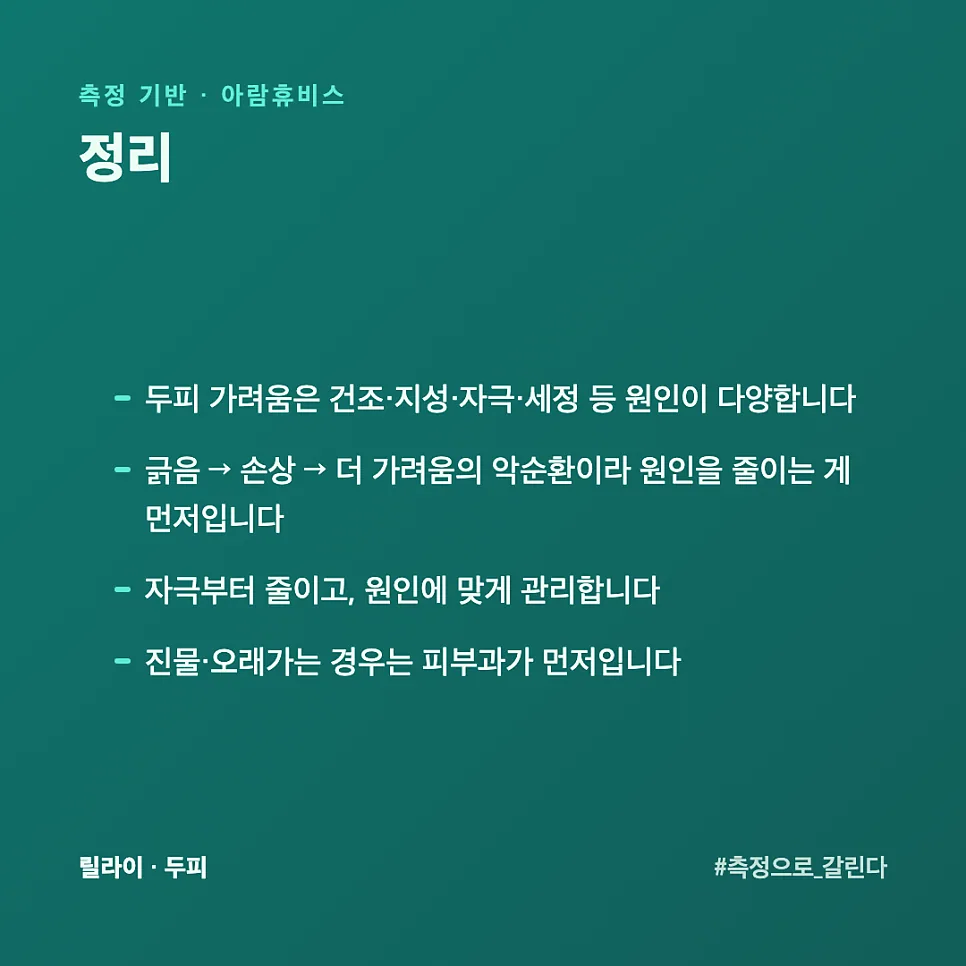
Scratching damages the thin scalp barrier, so it gets more sensitive and itches more. Reduce the cause first: irritation, rinsing, and care that fits.

Why does an itchy scalp get worse when you scratch it? Scratching feels good for a moment, but it damages the thin protective layer, which makes the scalp more sensitive and itchier. This is the itch-scratch cycle, seen from a company that has measured the scalp in numbers.
Short answer
- Itch has several causes: dryness, oil and dandruff, irritation, washing problems.
- Scratch, damage, more itch, scratch again: reduce the cause first.
- Oozing or long-lasting itch comes first to a dermatologist, not a product.
Why does the scalp itch?
The cause is not one thing. Four are common.

- Dryness: a dry scalp flakes, feels tight, and itches.
- Oily scalp and dandruff: oil mixes with flakes and itches in the process.
- Irritation and sensitivity: shampoo ingredients, hot water, and frequent dyeing or perming irritate the scalp.
- Washing problems: residue from poor rinsing, or over-cleansing damages the barrier.
Different causes mean different actions: hydration and soothing for dryness, oil management for oily scalp, and removing the cause first for irritation.
Why does scratching make it itchier?
Scratching damages the thin protective layer of the scalp. Once damaged, it is more sensitive to small irritation, so it itches more. More itch means more scratching: scratch, damage, more itch, scratch again.
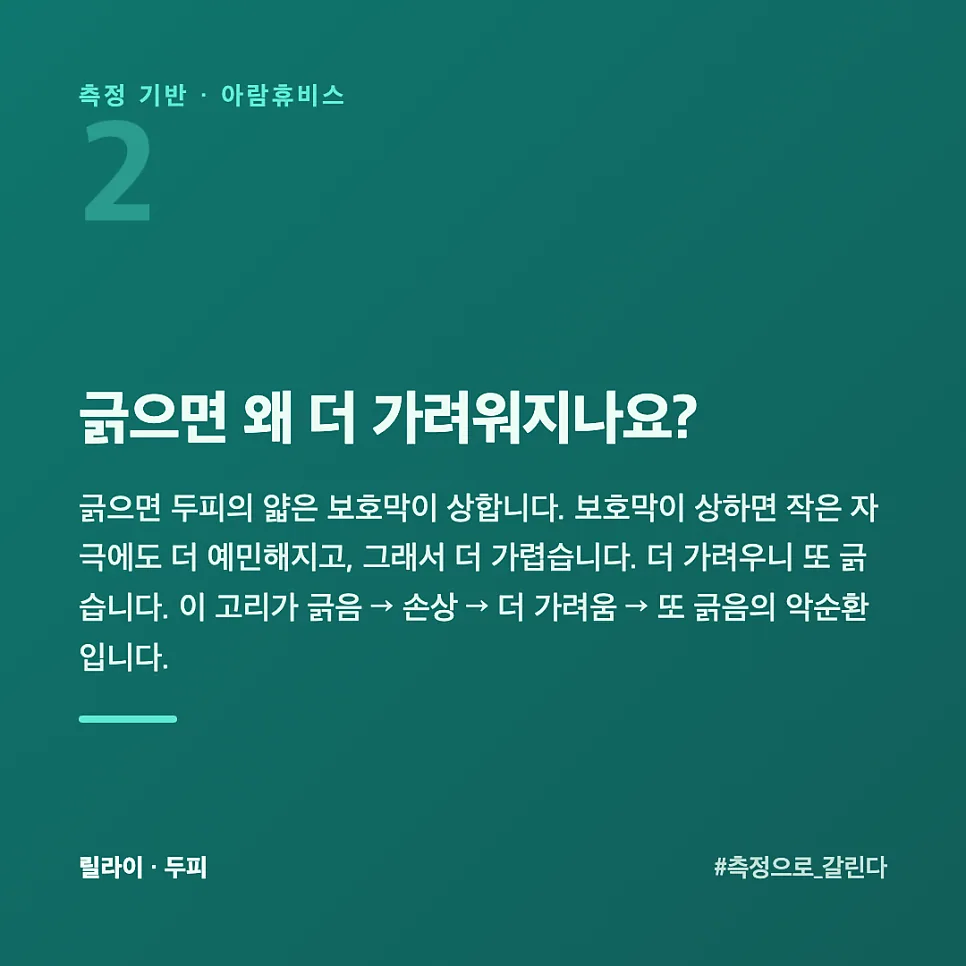
So the answer is not “endure the itch” but to reduce the cause. While the cause remains, not scratching is hard.
What should you do first?
- Reduce irritation. Lukewarm instead of hot water, no hard rubbing, and rinse fully.
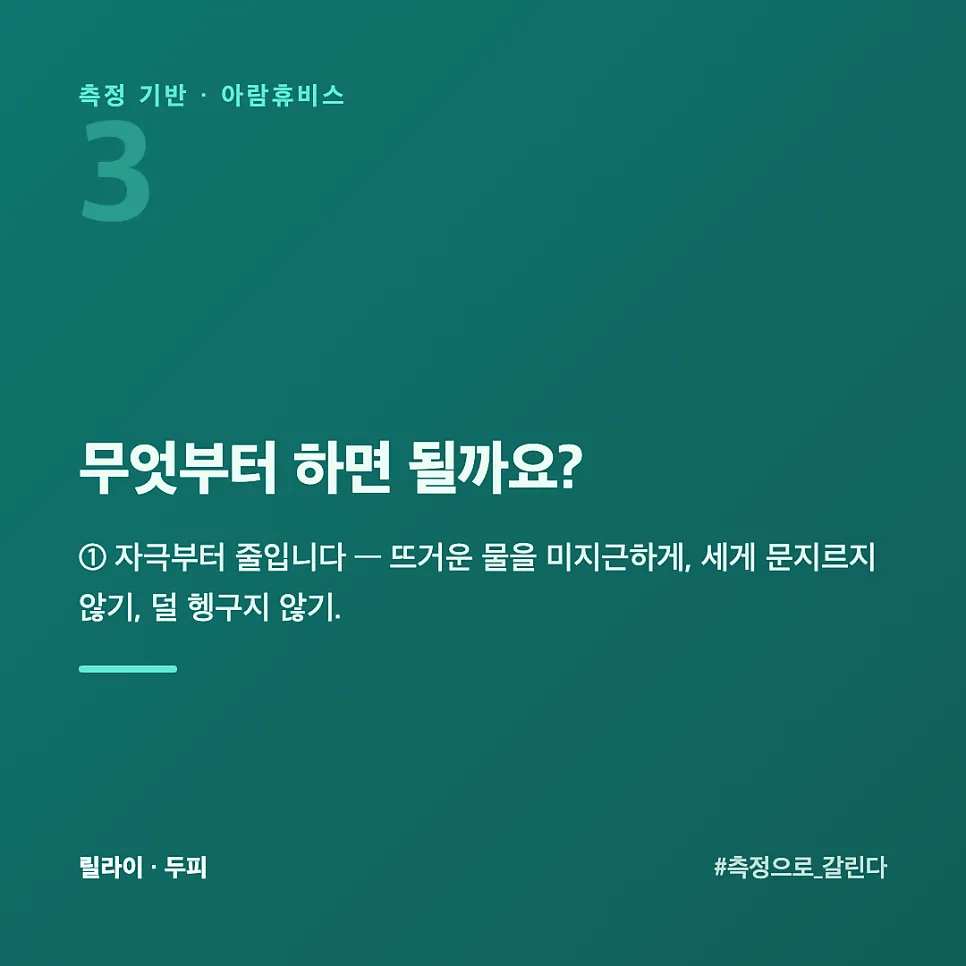
- Match care to the cause. Hydration and soothing for dryness, oil management for oily. Doing the opposite makes it worse.
- If it does not improve, see a professional. Oozing or long-lasting itch may be a scalp problem itself. A dermatologist comes before a product.
What if itching started after changing shampoo?
Go back to the one you used before. If it started after the change, that is the fastest check. If it settles after going back, the cause is clear.
If you still want the new product, do not mix the two, since alternating again hides the cause. Change one thing at a time; changing shampoo, treatment, and essence together hides the culprit. Give a new product two weeks. Itch in the first few days may settle, but if it is the same after two weeks, it does not suit you.
Why does the scalp itch more at night?
Three things overlap.
- Body temperature rises. Lying down increases blood flow to the scalp, and itch feels bigger.
- Nothing else to do. In the day your attention is elsewhere; at night only that sensation is left.
- Spots scratched during the day. Areas already irritated flare at night.
If it is worse at night, try washing in the evening and drying fully. A clean, dry scalp before bed reduces night itch.
Which type of itch do I have?
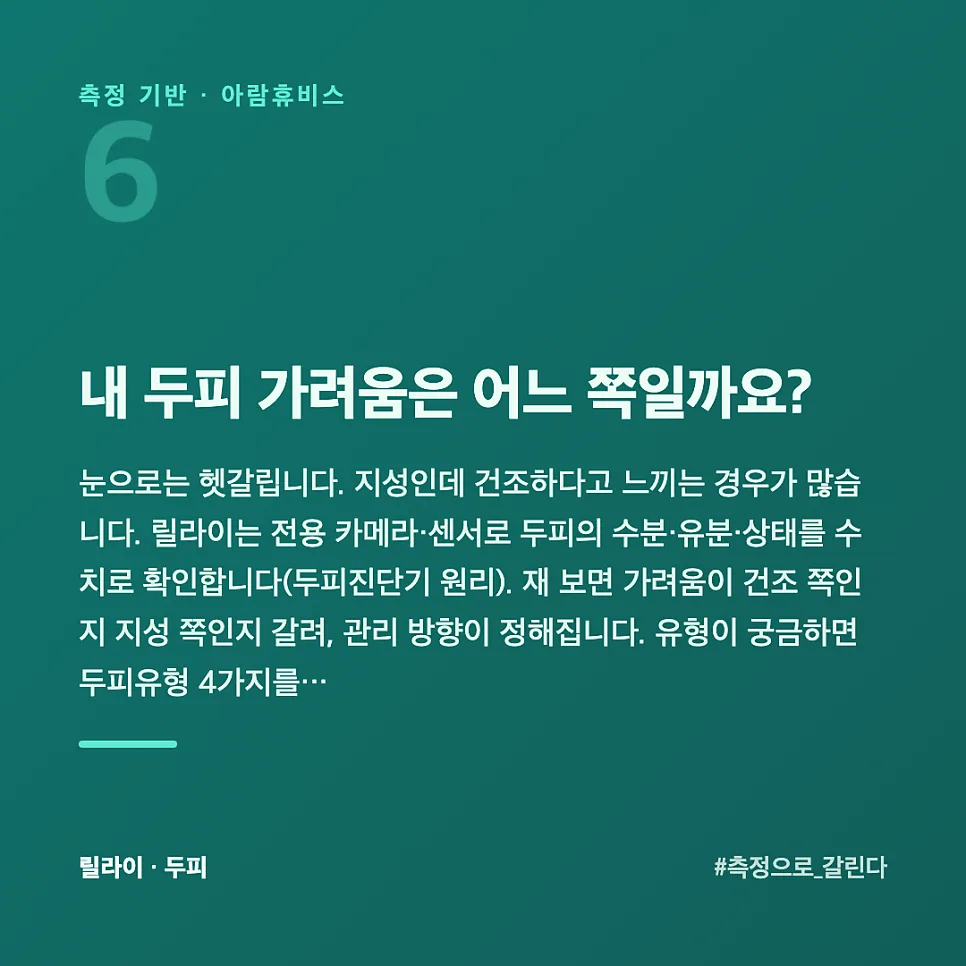
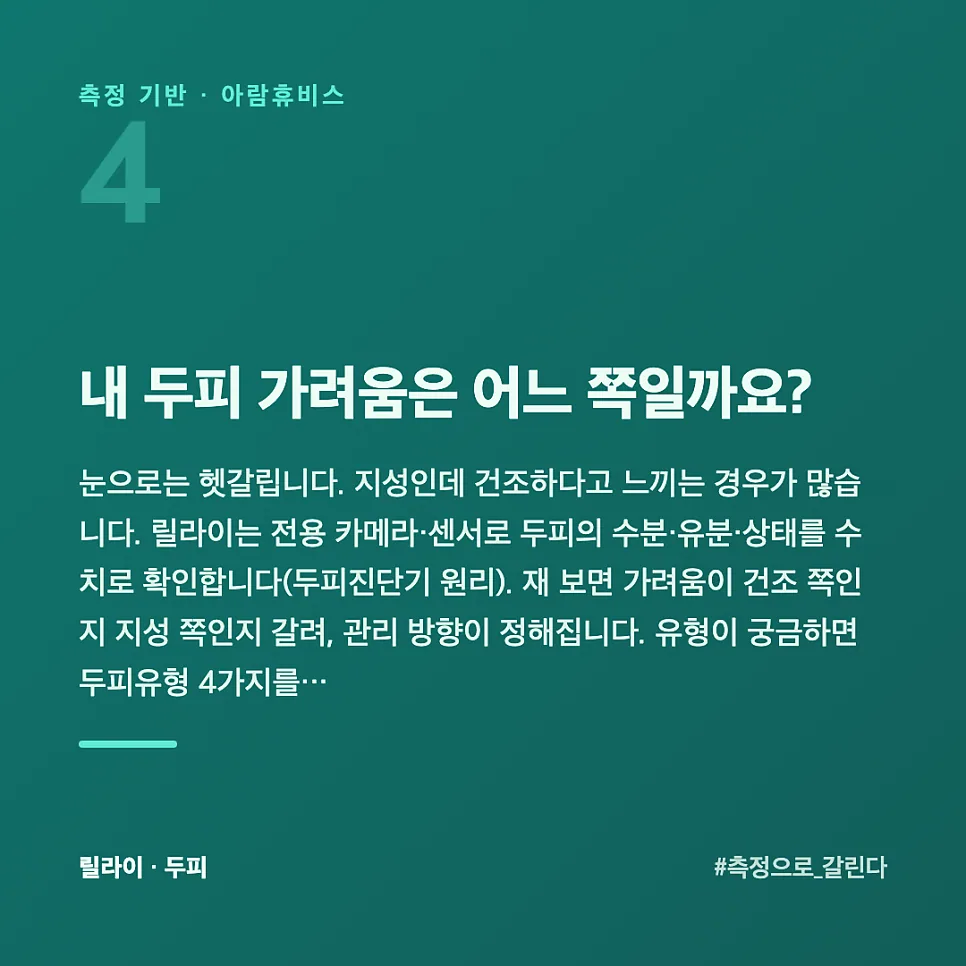
By eye it is confusing, and many people with an oily scalp feel it is dry. Lilai checks scalp hydration, oil, and state as numbers with a dedicated camera and sensor (see our scalp analyzer explainer). Measuring shows whether the itch leans dry or oily and sets the care direction. For types, see our four scalp types article.
FAQ
Q. Why does scratching feel good but make itch worse?
It damages the thin protective layer, which makes the scalp more sensitive.
Q. What should I do first?
Reduce irritation: lukewarm water, gentle washing, full rinsing.
Q. When should I see a doctor?
If the scalp oozes or the itch lasts a long time.
References
- ARAM HUVIS in-house measurement experience (the source article cites no external studies)
About ARAM HUVIS
ARAM HUVIS has built skin and scalp measurement devices since 2002. Questions about measurement are welcome through our contact page.
Measurements are for reference and do not replace medical diagnosis or treatment. ARAM HUVIS analyzers measure and display skin and scalp condition and do not diagnose or treat any disease.