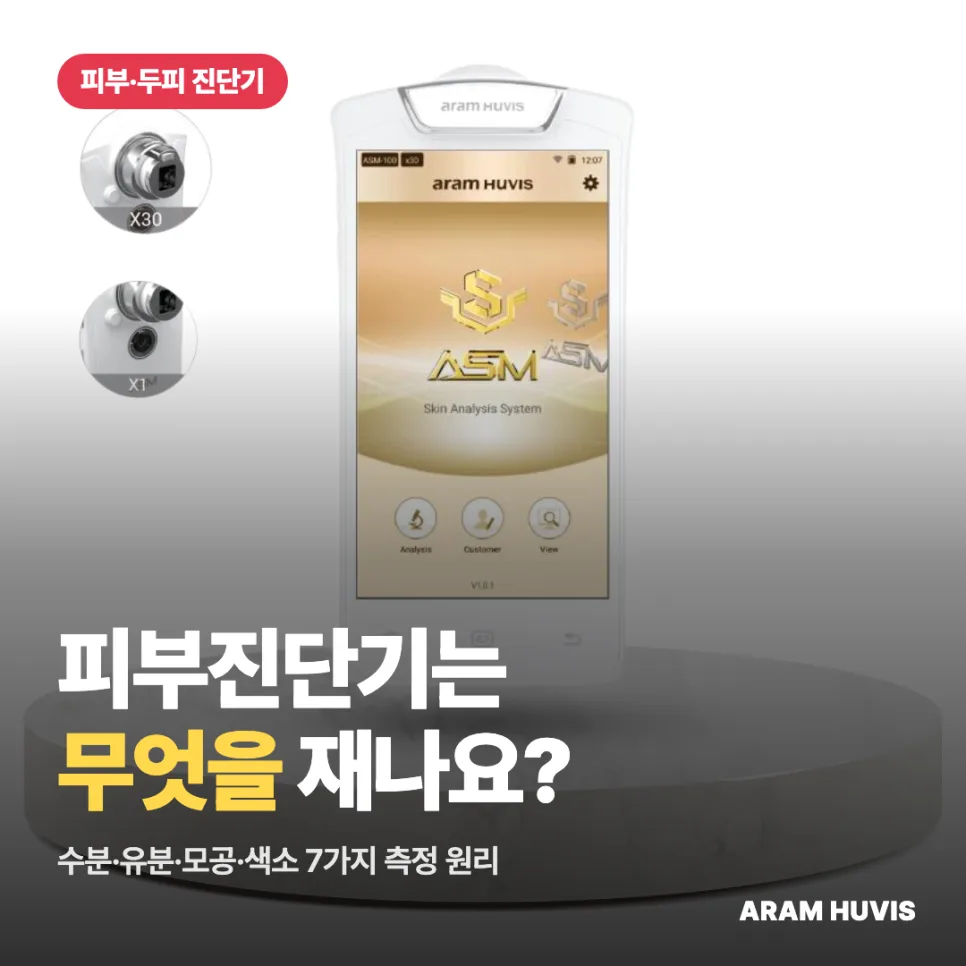
How does a scalp analyzer work?
A scalp analyzer uses a dedicated camera and sensor to show hair thickness, density, and scalp state as numbers and images within seconds.

How does a scalp analyzer work? It uses a dedicated camera and sensor to photograph the scalp and hair, then shows the information as numbers and images in seconds. This article explains what it looks at and how it turns that into numbers.
Short answer
- It looks at three things: hair thickness, hair density, scalp state.
- A camera and sensor capture and calculate in seconds.
- Results come as numbers plus images, so you can compare over time.
What does a scalp analyzer measure?
It looks at three things: hair thickness, hair density, and scalp state. Think of it as turning what you used to eyeball into numbers.
For example, it checks the thickness of a single hair, how many strands lie in a set area, and how the scalp surface looks. Because the three are separate, it is easy to see where you stand and to compare the same item later.

| Item | What it looks at | How it is used later |
|---|---|---|
| Hair thickness | Thickness of one strand | Re-measure the same spot and compare |
| Hair density | Strands per area | See whether it grew or shrank |
| Scalp state | Surface appearance | Confirm by eye on an enlarged image |
Splitting the result into items, instead of one combined value, helps you build records.
How is it measured in seconds?
The key is the dedicated camera and sensor. Place the device on the scalp, an enlarged image is captured, and the sensor reads hair and scalp information and organizes it into data within seconds.
Instead of counting one by one with a magnifier, the device calculates directly from the captured image and sensor values. So the process is simple, and measuring the same spot again gives a similar basis for comparison. It is light on time, which suits stores and consultation settings.

What form do the results take?
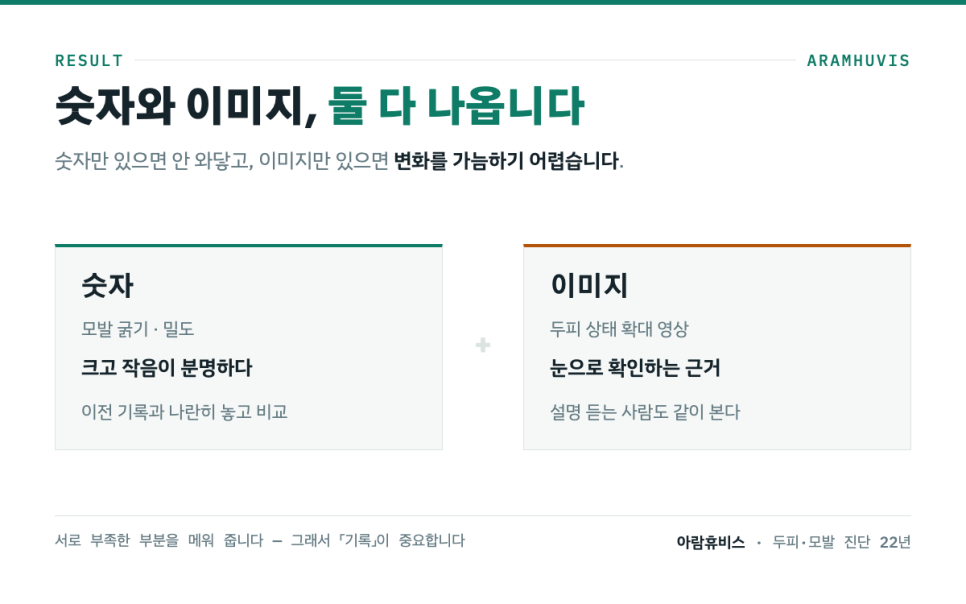
Both numbers and images. Hair thickness and density appear as numbers, and scalp state as an enlarged image. The person listening can compare with their own eyes.
Numbers alone do not register, and images alone make change hard to judge. Together they let you set the previous record next to the current one. Numbers show larger and smaller clearly, and images give visual evidence. That is why records matter in measurement.
Where is a scalp analyzer used?
In cosmetics stores, dermatology clinics, and research labs. The role differs by place.
In stores it shows customers their state during consultation; in clinics it supports charting and comparison at the next visit; in labs it collects and compares data. It is fast and visual, so it often sits where explanation is needed.

What are Lilai and ARAM HUVIS?
Lilai is a brand focused on personalized scalp care, and ARAM HUVIS is the company that makes the device. ARAM HUVIS is a skin and scalp analyzer company with a high share of overseas sales.
To recap: a dedicated camera and sensor capture hair thickness, density, and scalp state in seconds and show the result as numbers and images. Knowing the structure makes results easier to read. If you want to see how the result relates to your scalp type, read our four scalp types article.
FAQ
Q. What does a scalp analyzer measure?
Hair thickness, hair density, and scalp state.
Q. How long does a measurement take?
Seconds. The camera and sensor capture and calculate in one pass.
Q. Why show both numbers and images?
Numbers show larger and smaller clearly; images give visual evidence. Together they make comparison easier.
References
- ARAM HUVIS in-house measurement experience (the source article cites no external studies)
About ARAM HUVIS
ARAM HUVIS has built skin and scalp measurement devices since 2002. Questions about measurement are welcome through our contact page. See the ARAM HUVIS home page for product information.
Measurements are for reference and do not replace medical diagnosis or treatment. ARAM HUVIS analyzers measure and display skin and scalp condition and do not diagnose or treat any disease.