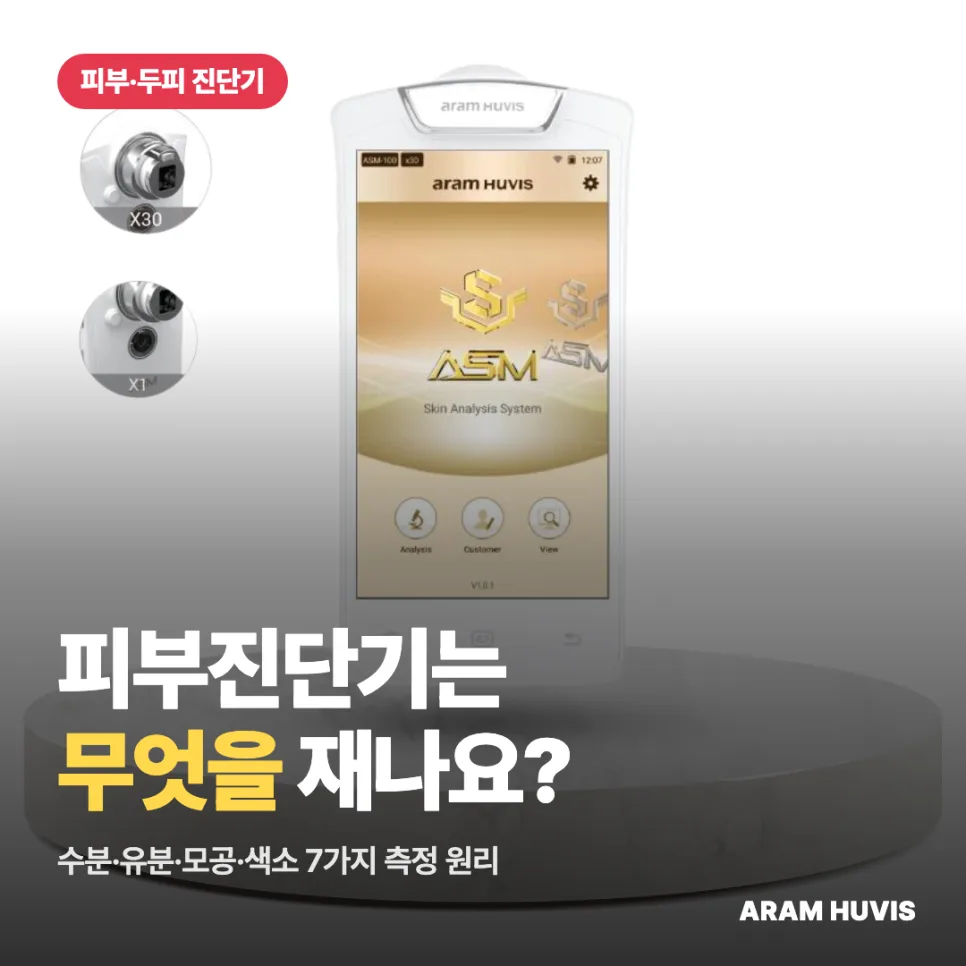
What are the four scalp types, and how can you self-check yours?
The four scalp types can be self-checked from daily signals, then confirmed with measured numbers. Know your type before choosing shampoo and serum.
Which of the four scalp types are you? Recall the signals your scalp sends in a day: oily soon after washing, tight with flakes, both at once, or red and itchy with small irritation. Then confirm with numbers. This article follows the criteria of Lilai, a personalized scalp care brand from ARAM HUVIS.
Short answer
- Choosing products before knowing your scalp state often gives a poor fit.
- Four signals roughly map to four types: oily, dry, combination, sensitive.
- Self-checks are a reference line. Confirm with measured numbers.
Why should you know your scalp type first?
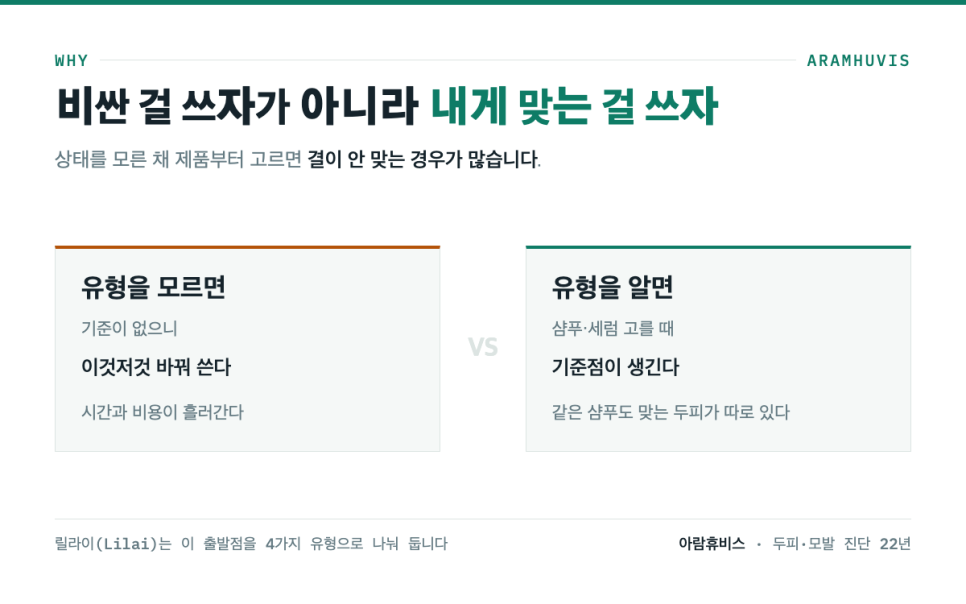
Without knowing the state, products often do not match. Knowing the type gives a standard for choosing shampoo and serum, and cuts the time and money spent switching products. Lilai starts from four types.
The point is not “use something expensive” but “use something that fits”. The same shampoo can suit one scalp and slide off another.
What signals is your scalp sending?
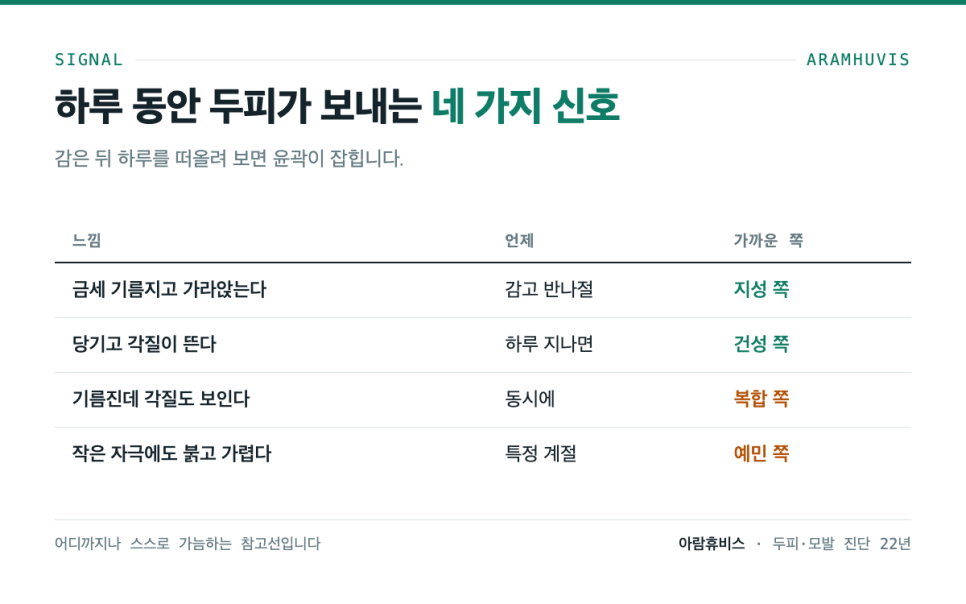
The easiest method is to remember the signals across one day: does the hair at the front flatten and shine within half a day, do white flakes show after a day, or does it itch and redden only in some seasons?
| Feeling | When | Closer to |
|---|---|---|
| Gets oily soon, hair flattens | Right after washing | Oily |
| Tight, flakes lift | After a day | Dry |
| Oily but flaky too | At the same time | Combination |
| Reddens and itches with small irritation | Certain seasons | Sensitive |
These are only a rough self-check. By eye, combination can be mistaken for dry, and a season can be blamed on type. Checking with numbers once more is needed.
How does Lilai confirm the type?
Lilai photographs the scalp with a dedicated camera and sensor and confirms hair thickness, density, and scalp state as numbers. We explain what is measured and how in our scalp analyzer explainer. Because it uses numbers instead of an eyeball estimate, you can compare your self-check with the actual result.
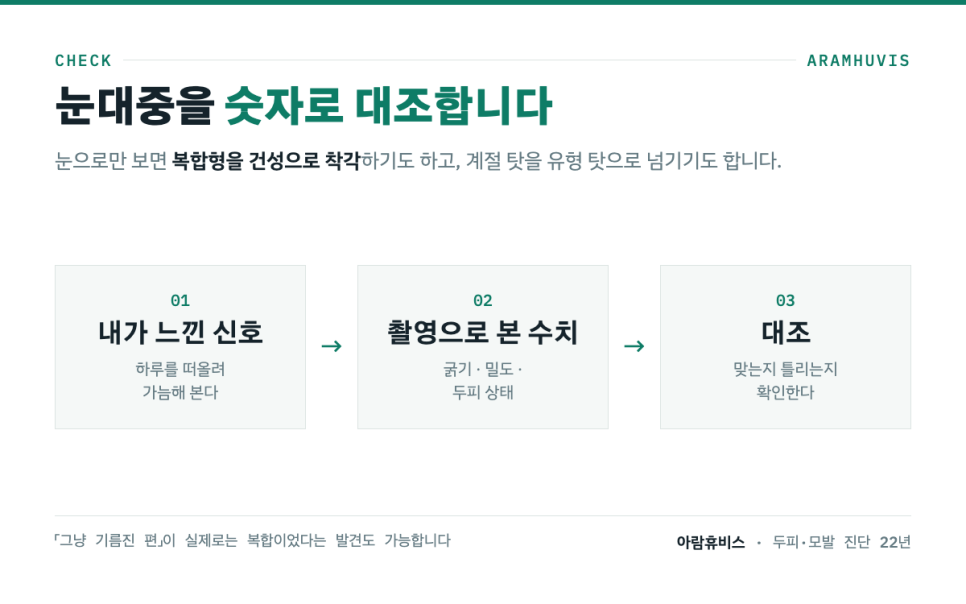
The result, together with a questionnaire, is the basis of a personalized formulation. A scalp you thought of as “just oily” may turn out to be a combination state.
Where should you start once you know your type?
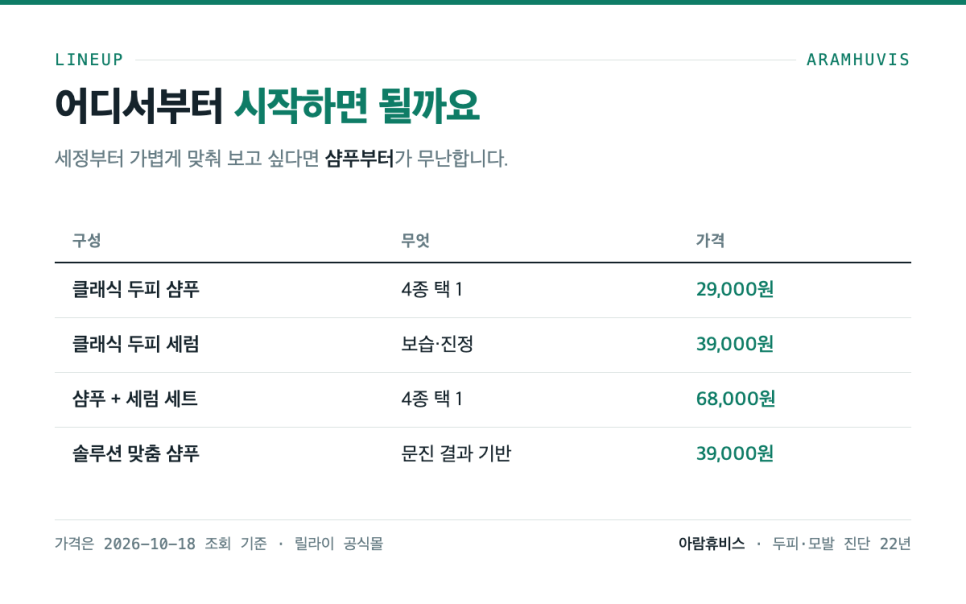
A low-effort start is the classic line: a scalp shampoo (choice of four types, KRW 29,000) and a scalp serum focused on hydration and soothing (KRW 39,000). Shampoo alone is a reasonable first step.
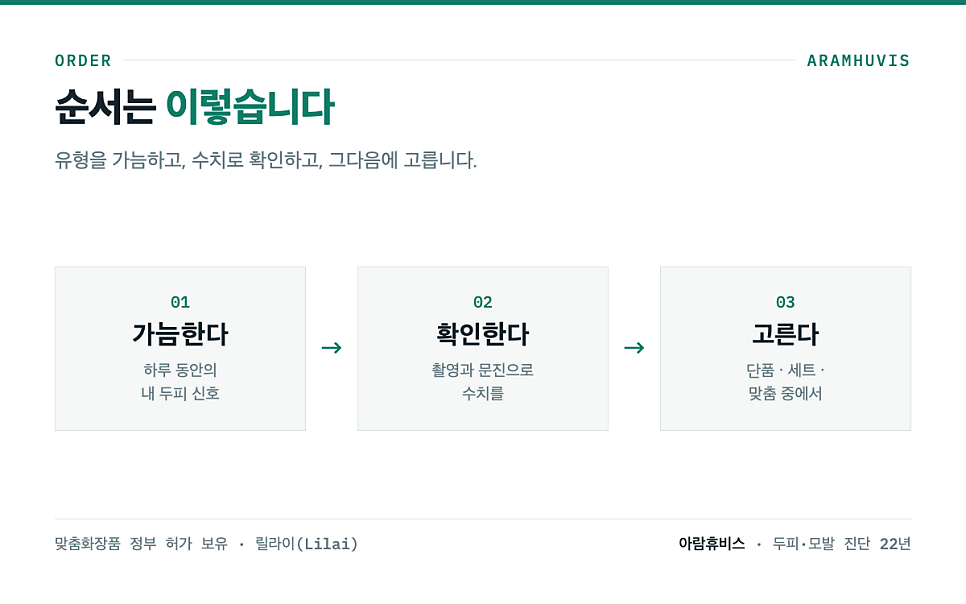
To add hydration and soothing after cleansing, there is a shampoo and serum set (KRW 68,000). The order is: (1) guess your type from daily signals, (2) confirm numbers by imaging and questionnaire, (3) choose a single product, a set, or a solution-based shampoo that fits your state.
| Item | What | Price |
|---|---|---|
| Classic scalp shampoo | 1 of 4 types | KRW 29,000 |
| Classic scalp serum | Hydration and soothing | KRW 39,000 |
| Shampoo + serum set | 1 of 4 types | KRW 68,000 |
| Solution custom shampoo | Based on questionnaire result | KRW 39,000 |
Prices are as listed by the brand on 2026-10-18 and may change.
FAQ
Q. Can I find my scalp type by eye?
Roughly. Eye checks can mistake combination for dry, so confirm with numbers.
Q. Which product should I start with?
A single shampoo is the lightest start. Add a serum if you want a hydration and soothing step.
Q. What does the scalp analyzer measure?
Hair thickness, density, and scalp state, shown as numbers and images.
References
- ARAM HUVIS in-house measurement experience (the source article cites no external studies)
About ARAM HUVIS
ARAM HUVIS has built skin and scalp measurement devices since 2002 and is the maker of the analyzer behind Lilai. Questions are welcome through our contact page.
Measurements are for reference and do not replace medical diagnosis or treatment. ARAM HUVIS analyzers measure and display skin and scalp condition and do not diagnose or treat any disease.