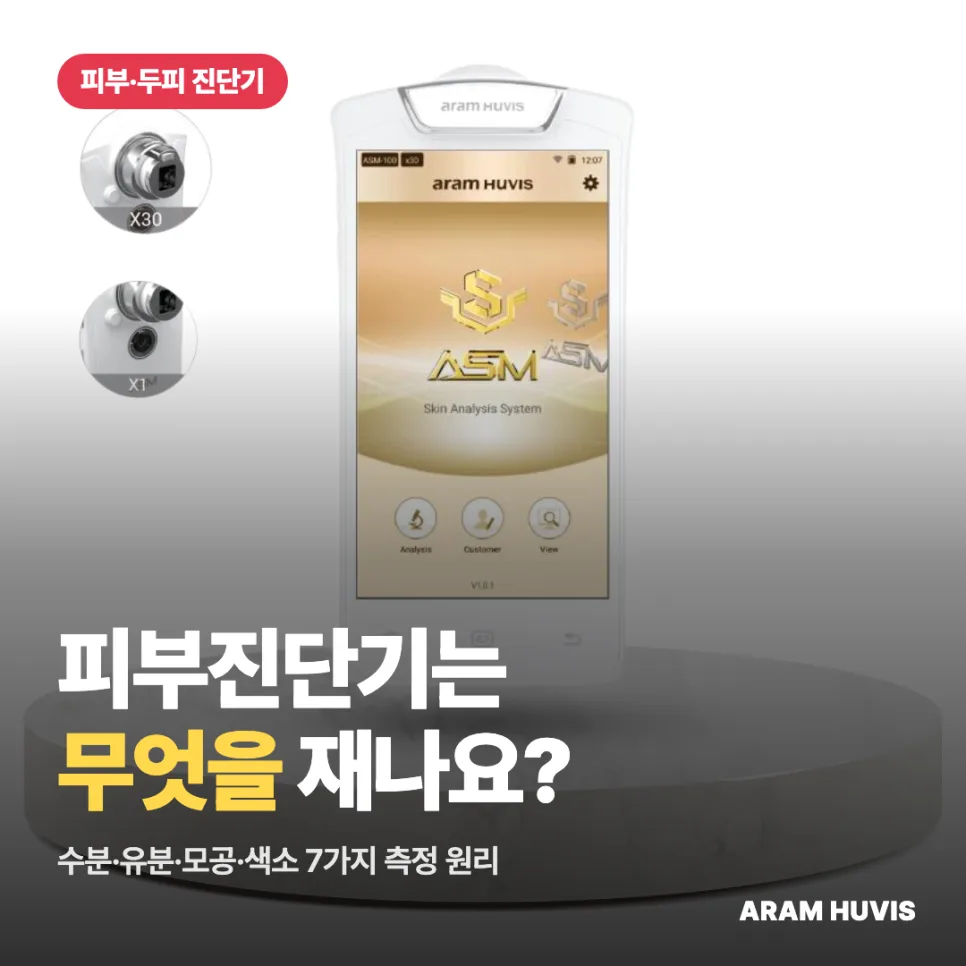
How does fine dust affect your scalp, and what can you do?
Fine dust can mix with sebum on the scalp and block pores, adding itching and flakes. Keep the scalp clean and track changes with measurements.
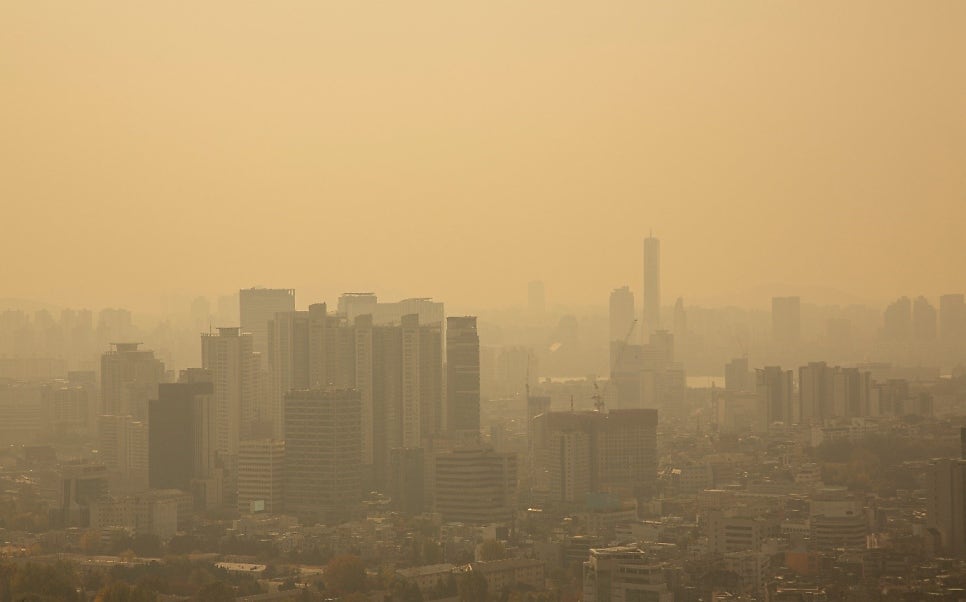
How does fine dust affect the scalp? Pollutants can combine with sebum on the scalp and block pores, and this can be linked to itching and more flakes. The sections below cover what is reported and how measurement records help you track the scalp in high-dust seasons.
Short answer
- Fine dust that settles on the scalp can mix with sebum and clog pores.
- Reactive oxygen species in dust are discussed as adding oxidative stress to the scalp.
- In dusty seasons, keeping the scalp clean and tracking it with measurements help you plan care.
What can fine dust do to the scalp?
When dust accumulates, pollutants combine with sebum and can block pores and cause irritation. Itching and more flakes may follow. Reactive oxygen species in dust are also said to add oxidative stress to the scalp. The article also notes research suggesting people in heavily polluted areas tend to have lower hair density.
How does AISG help track the scalp in dusty seasons?
AISG (AI Scalp Grader) from ARAM HUVIS uses AI-based scalp analysis to show scalp changes in numbers across seasons. It classifies the scalp into 10 types and guides care for each type. It records density, thickness, and other scalp and hair measures, so you can compare with the next measurement and plan care. Measurement shows condition and is not a diagnosis.
What did the hospital study report?
In a Seoul National University Bundang Hospital dermatology study (100 adults, 4 weeks, before-and-after comparison without a control group), the scalp photo index (SPI) was on average 51% lower after using a custom shampoo and serum, and 93% of participants reported improvement on at least one survey item. The study received a best research award at the Korean Dermatological Association autumn meeting in 2022.
FAQ
Q. Does fine dust affect the scalp?
It is reported that pollutants can combine with sebum and block pores, with itching and flakes possible.
Q. How do I track scalp changes across seasons?
Measure density, thickness, and condition and compare with the next measurement.
Q. Does measurement diagnose a condition?
No. It shows scalp condition for reference.
References
- Journal of Dermatological Treatment (2024), doi.org/10.1080/09546634.2024.2337908
- Seoul Times News, article on fine dust and hair loss (seoultimes.news, article no. 2000066823)
About ARAM HUVIS
ARAM HUVIS has built skin and scalp measurement devices since 2002. Questions about scalp measurement are welcome through our contact page.
Measurements are for reference and do not replace medical diagnosis or treatment. ARAM HUVIS analyzers measure and display skin and scalp condition and do not diagnose or treat any disease.